
You see “ASL” in a text and wonder what it means. Does it mean “as hell”? Does it mean “age, sex, location”? Or does it point to American Sign Language? The answer depends on the message and the person who sends it.
This guide explains the ASL meaning in texting in simple words. You will learn how people use it in chats, text messages, and social media in 2026. You will also see real examples, smart reply ideas, and safety tips. By the end, you will read every ASL message with confidence.
What Does ASL Mean in Texting? Quick Meaning
ASL in texting most often means “as hell.” People use it to make a word stronger. “I am tired ASL” means “I am very tired.” ASL with a question mark, as in “ASL?”, means “age, sex, location.” It is an old chat room question. Someone asks for your age, your gender, and where you live. A third meaning is American Sign Language. This one appears in talks about deaf culture, language classes, and accessibility.
Simple Examples
Here are short examples that show each meaning.
- “This pizza is good ASL.” Meaning: This pizza is very good.
- “I am broke ASL this week.” Meaning: I have almost no money.
- “ASL?” sent by a stranger. Meaning: What is your age, sex, and location?
- “She is learning ASL at college.” Meaning: She is learning American Sign Language.
Notice one thing. When ASL sits at the end of a sentence after an adjective, it means “as hell.” When it stands alone with a question mark, it means “age, sex, location.”
Why the Meaning Changes
ASL is an acronym with three jobs. The same three letters can stand for three different phrases. Context decides which one is right. Slang grows fast online. Different age groups picked different meanings. Older users learned “age, sex, location” in early chat rooms. Younger users use “as hell” in daily texts. Both groups still use the word today.
Origin & Background
The story of ASL starts in the 1990s. Chat rooms were new, and people talked to strangers for the first time. Typing was slow, so users shortened everything. “As hell” is much older as a spoken phrase. People have said “mad as hell” and “hot as hell” for many years. Texting simply cut it down to three letters.
The Early Internet Era
In the 1990s and early 2000s, chat platforms like IRC, AOL chat rooms, and Yahoo Messenger were popular. Strangers joined public rooms and wanted to know who they were talking to. The fastest way was to type “ASL?”
The reply was simple. A user might answer “16 f California” or “22 m London.” That quick exchange set the tone for the chat. It also created real safety problems, which we cover later.
The Cultural Impact
“ASL?” became a famous internet joke. Movies, comedy shows, and memes used it to show early online life. Many people over 30 remember typing it. The phrase also taught a lesson. It showed how fast the internet could connect strangers. It also showed why people needed rules for safe chatting.
How Social Media Changed It
Social media changed everything. People now have profiles with names, photos, and bios. Nobody needs to ask for age or location in the same way. So “ASL?” faded. Meanwhile, “as hell” took over. Short posts and fast comments made “ASL” a perfect intensifier. Today, you see it in captions, tweets, and replies all day long.
Real-Life Conversations
Examples teach faster than rules. Below are four short chats that show how ASL works on different apps.
WhatsApp Conversation
Sara: How was your exam?
Hamza: Hard ASL. I did not sleep.
Sara: Same. I am stressed ASL.
Hamza: Let us get coffee after.
Here, ASL means “as hell.” Both friends use it to show strong feelings. The tone is casual and friendly.
Instagram DM
Mina: Your new haircut is cute ASL.
Zoya: Stop, you are sweet.
Mina: I mean it. Where did you get it done?
Mina uses ASL to give a strong compliment. This is a common use on Instagram. It sounds warm and natural.
TikTok Comments
A creator posts a video of a very spicy snack. A viewer comments: “Spicy ASL, but I want more.” Another viewer writes: “My mouth is on fire ASL.”TikTok comments use ASL for jokes and reactions. The word adds humor and energy. Short comments like these get many likes.
Text Message Between Friends
Ali: Bro, this weather is hot ASL.
Usman: Yes. I am melting.
Ali: Come over. My AC works.
This chat shows the plain use of ASL. It is quick, relaxed, and easy to understand. No one needs to explain it.
Emotional & Psychological Meaning
ASL is more than a short form. It carries feeling. A plain sentence like “I am tired” sounds flat. “I am tired ASL” sounds real and a little dramatic. People like that extra push. It helps them show how strong their feelings are without long sentences. It also feels playful.

Why People Use It
There are a few clear reasons people use ASL.
- It saves time when typing.
- It adds strong emotion to a short message.
- It feels casual and friendly.
- It helps people match the tone of their friends.
- It sounds trendy among younger users.
Psychologists who study online talk say slang builds group identity. When friends use the same words, they feel closer. ASL works like a small shared code.
A Real Life Style Scenario
Imagine a student named Rida. She finishes a long study week. She texts her best friend: “I am done ASL. I need a nap.” Her friend instantly understands. The message shows her tiredness, her humor, and her trust in her friend.
A formal sentence would not carry the same feeling. Now imagine Rida gets a message from a stranger that says only “ASL?” She feels uneasy. The same three letters now feel very different. This shows how much context matters.
Usage in Different Contexts
ASL fits some places well and others poorly. Let us look at the main settings.
Social Media
Social media is the home of “as hell.” You will see it on Instagram captions, TikTok comments, X posts, and Snapchat stories. People use it for jokes, praise, and complaints. Examples include “Fit check, cold ASL” and “This song hits ASL.” The style is short, loud, and fun.
Friends & Relationships
Friends use ASL all the time. It sounds natural and warm. Couples also use it in playful ways, such as “I miss you ASL.” Keep one thing in mind. Not everyone likes slang. A partner who prefers soft or formal speech may find it too casual. Read the mood first.
Work or Professional Settings
ASL does not belong in most work messages. It can sound careless, and the word “hell” inside it may offend some people. A manager or client may not know the slang at all. Use clear words instead. Write “very busy” and not “busy ASL.” On a very casual team chat, close coworkers may accept it. Even then, think twice.
Casual vs Serious Tone
ASL belongs to casual tone. It works for jokes, small talk, and light complaints. It does not suit serious talks about health, money, grief, or conflict. A good rule helps here. If the topic needs care, skip the slang. Plain words show respect.
ASL Meaning at a Glance
This table gives you the three main meanings in one place.
| Form | Full Meaning | Where You See It | Tone |
| ASL (after a word) | As hell | Texts, social media, captions | Casual, funny |
| ASL? (alone) | Age, sex, location | Old chat rooms, DMs from strangers | Curious, sometimes risky |
| ASL (in a language talk) | American Sign Language | Schools, news, deaf community | Formal, respectful |
ASL as American Sign Language
American Sign Language is a full visual language. Many deaf and hard of hearing people in the United States and Canada use it. It has its own grammar, signs, and facial expressions. This meaning appears in articles, classrooms, and community pages. It is not slang. Treat it with respect and learn from deaf teachers when you can.
How to Tell Which ASL Meaning Fits
Use these quick checks.
- If ASL follows an adjective like “tired” or “happy,” it means “as hell.”
- If ASL stands alone with a question mark, it means “age, sex, location.”
- If the talk is about deaf people, classes, or sign language, it means American Sign Language.
When you stay unsure, ask the other person. A short “Do you mean as hell?” clears things up fast.
Should You Reply to “ASL?” From a Stranger?
Short answer: be careful, and most of the time, do not share your details. A stranger who asks for your age, gender, and location wants personal information. That information can be misused. Online safety experts give the same advice. Never share your exact location, school, or home address with someone you do not know.
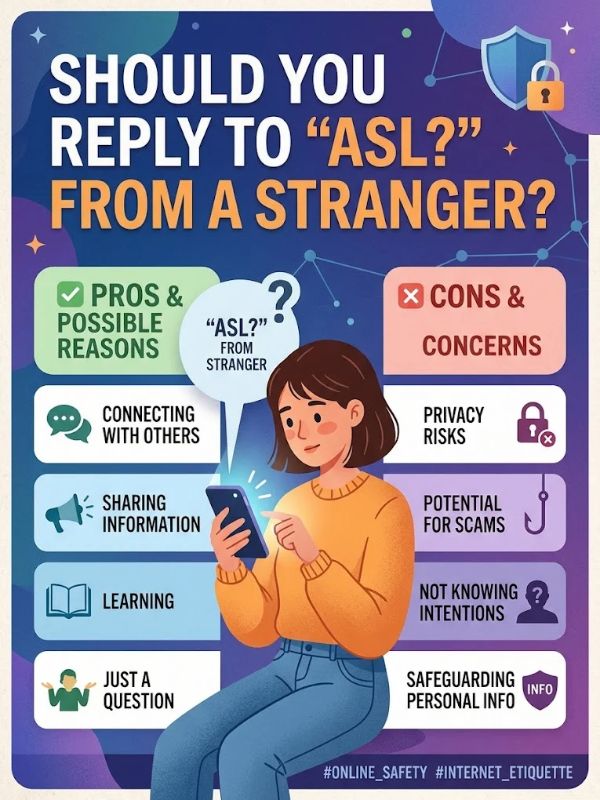
Never share your real age if you are young. If the message comes from a stranger, you can ignore it, block the person, or report the account. If you feel pressured, tell a trusted adult or friend. Your safety matters more than being polite.
How to Reply to ASL in Different Contexts
Your reply depends on the meaning. Here are simple ways to answer. If a friend uses “as hell,” just react to the feeling. If a stranger asks “ASL?”, protect your privacy. If someone talks about sign language, answer with respect.
Casual Replies
Use these with friends.
- “Same ASL!”
- “I feel that.”
- “Facts, I am tired too.”
These replies are short and friendly. They match the energy of the first message.
Funny Replies
Use these when the mood is light.
- “Hot ASL? Try living in my room.”
- “Broke ASL? Join the club.”
- “Tired ASL? I am asleep standing up.”
Humor helps friends bond. Keep jokes kind and avoid hurting feelings.
Mature Replies
Use these when you want a calm tone.
- “That sounds like a lot. Do you want to talk?”
- “I understand. Take a break.”
- “Thanks for sharing that with me.”
These replies show care. They work well when a friend feels stressed.
Respectful Replies
Use these for mixed or serious groups.
- “Could you explain what you mean?”
- “I prefer not to share personal details.”
- “Thank you. I would like to keep this chat simple.”
Respectful replies set clear limits. They protect your privacy and keep the talk polite.
When NOT to Use It
Slang is fun, but timing matters. Skip ASL in the following situations.
Conversations With Older Adults
Parents, grandparents, and older relatives may not know the slang. They might read it as “age, sex, location” and feel worried. Others may feel the word “hell” is rude. Use plain words with them. Write “very tired” and not “tired ASL.” Clear words avoid confusion and show care.
Formal Situations
Emails to teachers, job applications, and official letters need clean language. Slang can hurt your image. It can also make your message look rushed. Save ASL for chats with friends. Use full words for anything official.
Sensitive Conversations
Never use slang while talking about loss, illness, or deep pain. “I am sad ASL” can sound light when the person needs a serious reply. Choose gentle, direct words instead. Also avoid ASL when someone has reported an unsafe chat. A clear and calm voice helps more.
Common Misunderstandings
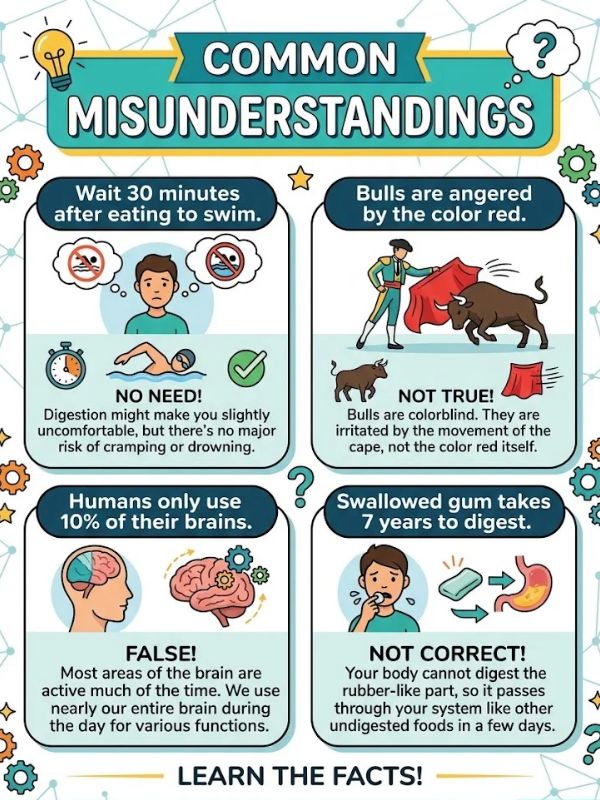
ASL causes confusion because it has more than one meaning. Let us fix the most common mistakes.
Confusion Between Two Meanings
Some people see “ASL” and think only of “age, sex, location.” Others know only “as hell.” Both groups can misread a message. A teenager may write “happy ASL” and mean joy. An older reader may panic. A short clarification solves the problem.
Tone Misinterpretation
Text has no voice. “Mad ASL” can sound angry or playful. The reader cannot hear your tone. Add emojis, punctuation, or an extra sentence to help. For example, “Mad ASL 😂” sounds light. “Mad ASL.” sounds serious.
Literal vs Figurative Usage
“ASL” does not mean anything about hell in a real sense. It is a figure of speech. It only adds strength to a word. Think of it like “super” or “really.” “Cold ASL” means “really cold.” Nothing more.
Comparison Table
| Feature | ASL = As Hell | ASL? = Age, Sex, Location | ASL = American Sign Language |
| Position | After an adjective | Alone, with a question mark | In a topic about sign language |
| Purpose | Adds emphasis | Asks for personal facts | Names a language |
| Typical user | Teens and young adults | Early internet users | Students, teachers, community |
| Risk level | Very low | Can be high with strangers | None |
| Best reply | React to the feeling | Protect your privacy | Respond with respect |
Key Insight
The same three letters can mean a joke, a risk, or a language. Always read the full sentence before you answer. Context protects you from awkward moments.
Variations / Types
People have built many ASL phrases. Each one pairs a feeling with the intensifier.
ASL = As Hell
This is the main modern use. It makes any word stronger. “Cute ASL,” “tired ASL,” and “funny ASL” all follow this pattern. The phrase stays informal. You will mostly hear it in casual speech and see it in short posts.
ASL? = Age, Sex, Location
This is the older use. It lives mostly in memories, memes, and a few anonymous chat apps. Treat it as a warning sign when it comes from a stranger.
Never reply with real private facts. Safe users skip it or block the sender.
Funny ASL
“Funny ASL” means very funny. People use it after a good joke or meme. Example: “That video was funny ASL.”
Tired ASL
“Tired ASL” means extremely tired. It is one of the most common forms. Example: “Monday made me tired ASL.”
Cute ASL
“Cute ASL” is a strong compliment. Friends use it for outfits, pets, and photos. Example: “Your puppy is cute ASL.”
Mad ASL
“Mad ASL” means very angry. It can also be used as a joke. Example: “I am mad ASL about that spoiler.”
Loud ASL
“Loud ASL” describes noise or a bold personality. Example: “The neighbors are loud ASL tonight.” It can also mean confident style.
Weird ASL
“Weird ASL” means very strange. People use it for odd events or odd people. Example: “That dream was weird ASL.”
Happy ASL
“Happy ASL” shows strong joy. Example: “I got the job, so I am happy ASL.” It brings a bright tone.
Broke ASL
“Broke ASL” means having almost no money. It is a common joke before payday. Example: “I am broke ASL until Friday.”
How to Respond When Someone Uses It
You do not need a script. Match the mood, keep it kind, and stay safe. The reply styles in the earlier section cover casual, funny, mature, and respectful answers, so you can use them in any chat.
A few extra tips help.
- Mirror the tone of the sender.
- Ask a question to keep the chat going.
- Use emojis to show warmth.
- Avoid sharing private facts with strangers.
Regional & Cultural Usage
Slang travels, but it changes with each culture. Let us see how ASL appears in different parts of the world.
Western Culture
In the United States, the UK, and Canada, “as hell” is common among teens and young adults. “ASL?” is mostly a nostalgic joke. American Sign Language is also well known here. You will hear ASL in school hallways, dorm rooms, and group chats. It fits the fast and casual style of Western online talk.
Asian Culture
In South Asia and Southeast Asia, many young people learn slang from TikTok, Instagram, and YouTube. They often mix English slang with local languages. A message may include ASL beside Urdu, Hindi, or Tagalog words. Elders may not know the term. Families sometimes prefer polite language. Young users often switch styles depending on who they talk to.
Middle Eastern Culture
In Middle Eastern countries, social media users also adopt English slang. Many use it in a playful way with friends. They often avoid it with elders or in formal settings. Because the word “hell” may feel strong in some communities, people choose words with care. Respect for family and faith shapes online style.
Global Internet Usage
The global internet shares one slang pool. A joke on TikTok in one country can spread within days. ASL travels the same way. Most people understand “as hell” when they see it after an adjective. The meaning of “age, sex, location” is also widely known among people who used early chat rooms.
Gen Z vs Millennials
Gen Z mostly uses ASL to mean “as hell.” They write it in captions, group chats, and comments. For them, the other meaning feels like old internet history. Millennials know both. Many remember typing “ASL?” in chat rooms.
They also use “as hell” today, but some prefer to write the full words. The gap can cause funny mix ups. A millennial parent may see “hungry ASL” and wonder what it means. A quick explanation fixes it and often leads to a good laugh.
Is It Safe for Kids?
The “as hell” meaning is mild slang, but it includes the word “hell.” Some parents may not want children to use it. Talk with your child about which words fit your family. The “age, sex, location” meaning is more serious. Strangers who ask for it may want personal details. Children should never answer.
Parents can take simple steps.
- Talk openly about online strangers.
- Teach kids not to share age, school, or address.
- Use privacy settings on every app.
- Encourage kids to tell you about strange messages.
- Report and block suspicious accounts.
Open talk builds trust. Kids who feel safe will come to you when something feels wrong.
Frequently Asked Questions
What does ASL mean in texting?
ASL in texting usually means “as hell.” It makes a word stronger, like “tired ASL” for “very tired.”
What does ASL? mean in chat?
“ASL?” means “age, sex, location.” It is an old chat room question that asks for personal details.
Is ASL a bad word?
ASL itself is only letters, but it stands for a phrase with the word “hell.” It is mild slang. Avoid it in formal or polite settings.
How do I reply when someone asks ASL?
If it is a stranger, do not share personal facts. Ignore, block, or report the message.
Does ASL mean American Sign Language?
Yes. In topics about deaf culture and language classes, ASL means American Sign Language. It is a complete visual language.
Can I use ASL at work?
It is best to avoid it. Use clear words like “very” or “extremely” in work messages.
Is ASL still popular in 2026?
Yes. The “as hell” meaning is popular on TikTok, Instagram, and in group chats. The “age, sex, location” meaning is mostly a memory of early internet days.
Final Thoughts
ASL shows how fast online language changes. A phrase from the early chat rooms now sits next to the slang of 2026. Knowing both helps you understand older and younger people. Use ASL with friends, keep it out of formal places, and protect your privacy with strangers. Smart slang use keeps your conversations fun, clear, and safe.