
You open a chat and see “wtd” in a message. It looks short and a little confusing. Many people wonder what it means. Slang like this shows up in texts, group chats, and social media every day.
WTD meaning in chat is simple. It usually stands for “What to do?” or “What are we doing?” People use it to ask for plans or ideas. In this guide, you will learn what WTD means in text messages, where it comes from, and how to use it the right way.
What Does WTD Mean in Chat?
WTD is a short form used in texting, messaging apps, and social media. The letters usually stand for “What to do.” Some people also read it as “What are we doing.” Both meanings ask about plans.
WTD in chat means “What to do?” It is a fast way to ask what activity, plan, or next step someone has in mind. Think of it as a small nudge. The sender feels bored, curious, or undecided. They pass the question to you. You reply with a suggestion, and the chat moves forward.
Here is a simple example:
- Sender: “Free after class. wtd?”
- Reply: “Let’s grab food and walk around.”
Notice how short the message is. That is the whole point of WTD. It saves time and keeps the tone light.
Quick Meaning Table
| Abbreviation | Most Common Meaning | Typical Use |
| WTD | What to do? | Asking for ideas |
| WTD | What are we doing? | Asking about plans |
| WTD | Week to date | Business and reports |
Other Meanings of WTD
WTD does not carry only one meaning. Slang shifts from group to group, and letters often overlap. Context tells you which meaning fits. The most useful other meaning sits outside chat. In business, finance, and sales, WTD means week to date. It shows totals from the start of the current week until today.
A manager might say, “Sales WTD are strong.” That has nothing to do with slang. A few less common readings also exist. Some people use WTD for “want to do,” as in “Idk wtd this weekend.”
Others use it as a playful short form of a longer question. Some online pages also claim it means “What did they say?” That reading is rare and not widely agreed on, so treat it with care.
Here is a list to keep things clear:
- What to do: the most common chat meaning
- What are we doing: a close second in group chats
- Week to date: used in work reports
- Want to do: a rare and casual reading
- What did they say: an uncommon reading found on some slang pages
When you are unsure, look at the words around it. A question about plans points to “What to do.” A number or a report points to “Week to date.”
Origin of WTD in Online Communication
Abbreviations like WTD grew from early texting. Old phones had small keypads and strict character limits. People trimmed every word to save space and time. Letters replaced whole phrases. Chat rooms and instant messengers pushed the trend further. Typing fast mattered. Acronyms such as LOL, BRB, and OMG became normal.
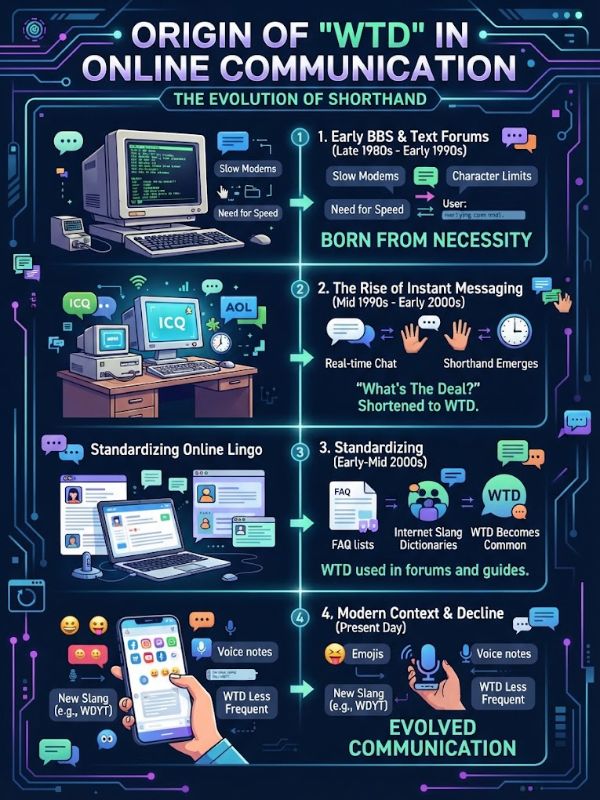
WTD followed the same pattern. It compresses a three word question into three letters. There is no single creator of WTD. No brand, celebrity, or app invented it. It appeared naturally, the way most slang does. Many people started typing it at the same time because it solved the same problem: they wanted to type less.
How WTD Is Used in Chat Conversations
People use WTD as a question, a prompt, or a conversation starter. It almost always shows up at the start or the end of a short message. It rarely appears in the middle of a long paragraph.
The most common patterns look like this:
- Standalone: “wtd?”
- With a time: “wtd tonight?”
- With a place: “wtd at the mall?”
- After a feeling: “so bored wtd”
Sentence structure stays loose. Punctuation is optional. Most people type it in lowercase. Capital letters can add energy, though. “WTD??” feels more urgent than “wtd.”
Replies are usually short too. The other person gives a plan, a choice, or a joke. Some people answer with “idk, you?” and the chat continues from there. Because WTD is a question, it invites teamwork. It says, “Let’s decide together.” That friendly tone explains why people like it in casual chats.
Examples of WTD in Real Conversations
Examples make slang easy to remember. Here are common chat moments where WTD fits.
Example 1: Weekend plans
- Ali: “Weekend is here. wtd?”
- Sara: “Movie and pizza?”
- Ali: “Perfect.”
Example 2: Boredom
- Zoya: “Nothing on TV. wtd”
- Hina: “Call me, we’ll figure it out.”
Example 3: Group chat
- Bilal: “Everyone free at 6. wtd guys?”
- Usman: “Football ground?”
- Hamza: “I’m in.”
Example 4: Quick check in
- Nida: “Class got cancelled. wtd now?”
- Amna: “Library or cafe, you pick.”
Example 5: Mixed language chat
- Fatima: “Aaj kya plan hai? wtd?”
- Rimsha: “Chalo bahar chalte hain.”
Each message is short and casual. Each one asks for a plan. That is the core job of WTD in everyday chat.
Why WTD Is Popular in Chatting
WTD is popular because it is fast. Three letters replace three words. On a small screen, that saves effort. Over a full day of messaging, it adds up. It also feels friendly. Formal questions can sound stiff. ” What should we do this evening?” is polite but long. “wtd tonight?” sounds relaxed and open. People choose the tone that matches the moment.
Another reason is group energy. In a busy chat, short messages get read and answered quickly. Long messages get skipped. WTD keeps the flow moving. Finally, it is easy to learn. Once someone explains it, nobody forgets it. Slang that is simple and useful tends to last. WTD fits both rules.
Featured snippet answer: WTD is popular because it is short, friendly, and quick to type. It lets people ask about plans in three letters.
Psychological And Emotional Meaning Of WTD
Behind every short message sits a feeling. WTD often signals boredom, restlessness, or a wish to connect. The sender wants company or a shared plan. It also shows trust. People send WTD to those they feel comfortable with. You would not usually send it to a stranger or a strict boss. The casual tone assumes a friendly bond.
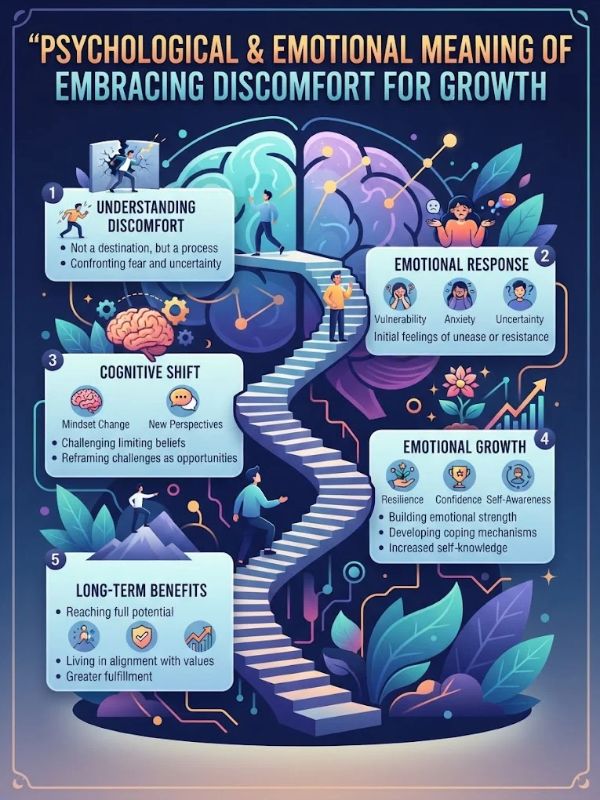
There is a small emotional risk too. When you ask “wtd?” you invite the other person to take the lead. If they reply slowly, you may feel ignored. If they reply fast, you feel included. Tiny messages can carry real feelings.
Here are the emotions WTD often carries:
- Boredom: “I need something to do.”
- Curiosity: “What are the options?”
- Warmth: “I want to spend time with you.”
- Indecision: “I cannot choose alone.”
Understanding these feelings helps you reply with care.
Communication Function Of WTD
Every slang term does a job in a conversation. WTD has three main jobs. First, it opens a conversation. A message like “wtd?” gives the other person an easy way to reply. It works like a friendly tap on the shoulder.
Second, it moves a plan forward. When a group is stuck, one WTD message restarts the talk. People throw out ideas, and a choice appears. Third, it keeps the tone casual. Slang signals that nothing is serious. Nobody feels pressure. That makes it easier for shy people to join in.
In language terms, WTD is a directive question. It asks for a suggestion, not a fact. It also works as a phatic expression, which means it builds connection more than it shares information. Both ideas explain why the term feels natural in friendly chats.
Cultural And Generational Context Of WTD
Slang changes with age, culture, and place. WTD is most common among teens and young adults. They grew up with phones, group chats, and fast replies. Short forms feel normal to them. Older adults may find WTD confusing. They often type full sentences. Some read WTD as a typo or a work term.
That gap is normal. Every generation builds its own chat style. Culture shapes it too. In multilingual communities, people mix languages in one message. A chat might blend English slang with Urdu, Hindi, or Tagalog. WTD slips into these mixed messages easily because it is short and simple.
Semantic Core Meaning Of WTD
The core idea behind WTD is simple: a request for direction. Whether the words are “What to do” or “What are we doing,” the sender wants an action or a plan.
Linguists call this the semantic core. It is the shared idea under every version of the term. Strip away the exact wording, and the message still asks, “What comes next?”
Related ideas and phrases include:
- Asking for plans
- Looking for activity ideas
- Starting a decision
- Filling free time
- Inviting a suggestion
This core also explains why different people can read WTD slightly differently and still understand each other. The sentence shape and the context point to the same goal. Keep this core in mind. When you see WTD, ask yourself: “Is this person looking for a plan?” The answer is usually yes.
Most Common WTD Meaning In Text (Deep Dive)
Let us look closely at the top meaning. In most chats, WTD means “What to do?” It is a short, open question about activities.
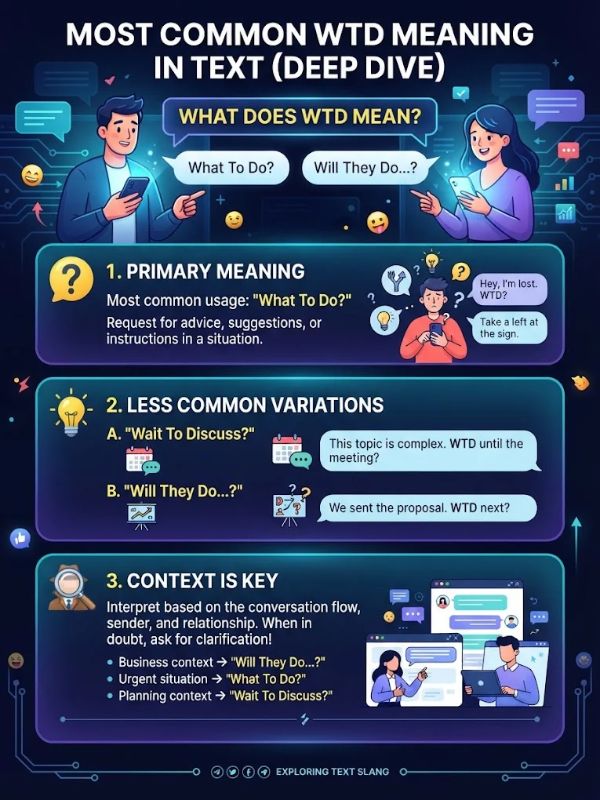
Tone matters here. A cheerful WTD sounds playful. A flat WTD after a long silence may sound bored or stuck. A repeated “wtd wtd wtd” sounds impatient or funny. The letters stay the same, but the mood changes.
Timing also matters. People often send WTD when:
- Class or work ends early
- A weekend starts
- Plans fall through
- A group cannot decide
- Someone feels bored at home
The second reading, “What are we doing?”, leans toward group plans. It often includes a time or place. “wtd for dinner?” fits this reading well.
Here is a comparison:
| Reading | Feel | Best Fit |
| What to do | Open and casual | Bored or free time |
| What are we doing | Planning focus | Group plans |
If you cannot tell which one applies, either reading leads to the same reply: suggest a plan.
When to Use WTD in Text
Use WTD when the chat is casual and friendly. It works best with close friends, classmates, cousins, and gaming partners. These people know your style and will understand it.
Good moments include:
- Planning a weekend outing
- Asking friends for ideas
- Filling free time after class
- Starting a group discussion
- Breaking a boring silence
Keep the message clear by adding a small detail. “wtd?” alone is fine among close friends. “wtd tonight?” or “wtd after school?” gives more direction. Extra details help people reply faster.
You can also pair WTD with a light mood. Add a laughing emoji or a short comment. “So bored, wtd lol” sounds warm and natural. Follow one simple rule. If your reader knows slang and feels relaxed with you, WTD is safe.
When NOT to Use WTD
Some chats need clear, full language. Skip WTD in formal messages. Emails to teachers, managers, clients, or officials should use complete sentences. Slang can look careless in those settings.
Avoid WTD in these situations:
- Job applications or work emails
- Messages to older relatives who may not know slang
- Serious or emotional conversations
- Customer support chats
- Anything with legal, medical, or money details
Also think about confusion. In a work chat, WTD may be read as “week to date.” Your boss might reply with a sales number instead of a plan. Clear words prevent that mix up. When in doubt, write the full question. “What should we do this evening?” is short enough and always clear. A few extra seconds of typing can save a lot of confusion.
WTD in Social Media and Gaming Culture
Social media and gaming push short forms everywhere. Fast talk is normal in these spaces, and WTD fits right in. On social platforms, people use WTD in comments, stories, and direct messages.
A creator might ask followers, “Weekend vibes, wtd?” Fans reply with ideas. The post gains comments, and the community feels active. In gaming, speed matters even more. Players type during matches, in voice chat notes, and in lobby messages.
WTD can mean “What to do?” about the next mission, the next map, or the next game. A teammate might type “wtd now?” after a round ends. Some communities also use it for planning game nights. Friends drop the question in a group thread, and votes follow. That quick decision loop keeps the team together.
Here is where you will often spot it:
- Instagram and Snapchat chats
- WhatsApp and Telegram groups
- Discord servers
- Game lobbies and team chats
- Comment sections
Modern Alternatives to WTD
Many other phrases do the same job. You can pick one that suits your mood, your audience, and your platform.
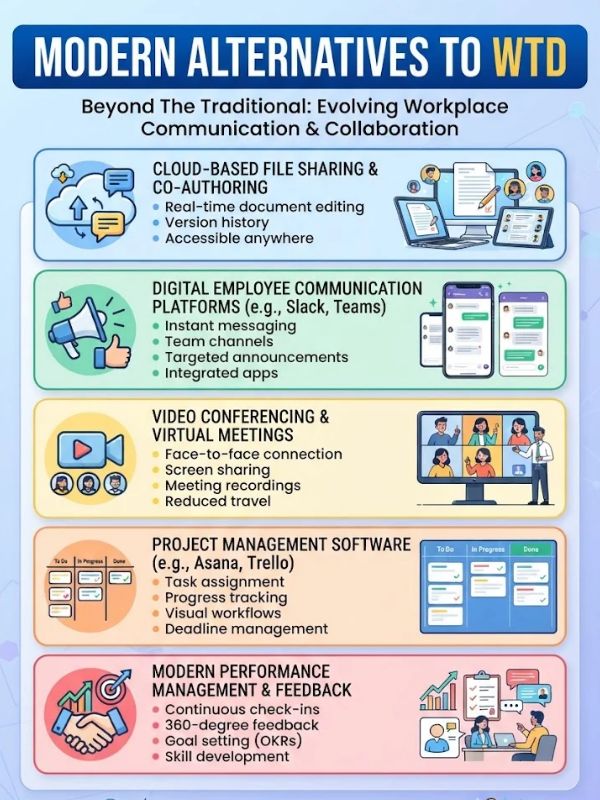
Common alternatives include:
- Wyd: “What are you doing?”
- Wbu: “What about you?”
- Any plans?: a clear and friendly option
- What’s the plan?: short and easy for everyone
- Down for something?: casual and inviting
- Ideas?: very short and open
Each option has a slightly different feel. “Any plans?” sounds polite. “Ideas?” sounds playful. “What’s the plan?” sounds organized. If you want more clarity, use full words. Simple English works in any chat.
It never confuses readers, and it fits every age group. Try mixing styles too. You might write, “Free tonight. Any plans or wtd?” That message stays friendly while giving readers two easy ways to understand you.
WTD vs Other Similar Slang Terms
WTD looks like other chat acronyms, but each one has its own job. Knowing the difference helps you choose the right one.
| Term | Full Form | Main Purpose |
| WTD | What to do | Ask for plans or ideas |
| WYD | What are you doing | Ask about the present moment |
| WBU | What about you | Return a question |
| HBU | How about you | Return a question |
| IDK | I don’t know | Show uncertainty |
| WTF | What the f… | Show shock (rude) |
The biggest mix up is with WYD. WYD asks what you are doing right now. WTD asks what to do next. One looks at the present. The other looks toward a plan.
WTD also looks like WTF, which is stronger and can be rude. Always check the letters before you reply. A tiny letter change flips the whole tone.
Common Misunderstandings About WTD
Because slang has no official rulebook, mix ups happen often. Here are the most common ones.
- Mistake 1: Thinking WTD always means “week to date.” That meaning belongs to work and finance. In friendly chats, it almost never applies.
- Mistake 2: Reading it as rude. Some people confuse WTD with a harsher acronym. In reality, it is a mild and friendly question.
- Mistake 3: Believing it has one strict meaning. Slang bends with context. “What to do” and “What are we doing” both appear in real chats.
- Mistake 4: Using it in formal writing. This can look unprofessional or confusing.
- Mistake 5: Ignoring tone. The same letters can sound cheerful or bored based on punctuation and emojis.
The fix is easy. Read the full message, look at the relationship, and think about the setting. Then choose the meaning that fits best. When you still feel unsure, ask politely. Most people are happy to explain.
Frequently Asked Questions
What does WTD mean in text?
WTD usually means “What to do?” or “What are we doing?” It asks for a plan or an idea.
Is WTD a rude word?
No. WTD is a casual and friendly question. It is not an insult or a swear word.
What does WTD mean in business?
In business, WTD means “week to date.” It shows totals from the start of the week until today.
How do I reply to WTD in a chat?
Suggest an activity, offer two choices, or ask a simple question back. Keep it short and friendly.
Is WTD the same as WYD?
No. WYD asks what you are doing right now. WTD asks what to do or what plan to follow.
Can I use WTD in an email?
It is best to avoid it. Emails need clear, full words, and WTD can confuse readers.
Who uses WTD the most?
Teens and young adults use it most often. They enjoy short forms in group chats and social apps.
Conclusion
WTD is a small acronym with a clear job. In most chats, it means “What to do?” or “What are we doing?” It helps people ask for ideas, share plans, and keep conversations light.
The term grew from fast texting habits and lives mostly in casual chats, social media, and gaming. It has another meaning, “week to date,” in business, so context always matters. Use it with friends, avoid it in formal messages, and choose clear words when you are unsure.