
You get a message that says “PMO.” Now you wonder what it means. Is it a request or a complaint? PMO meaning in text can confuse many people, even regular chat users.
PMO has more than one meaning in chat, texting, and social media. It can mean “Put Me On,” which asks for a tip. It can also mean “Pisses Me Off,” which shows anger. This guide explains each meaning in simple words so you can read and reply with confidence in 2026.
What Does PMO Mean in Text?
In text and on social media, PMO most often means “Put Me On.” It is a request to share something new, like a song, a show, or a product. PMO can also mean “Pisses Me Off,” which shows anger or annoyance. In offices, PMO means “Project Management Office.” The meaning depends on the chat. Read the full message before you decide.
Simple Meaning of PMO
PMO is an abbreviation. It is written in capital letters or lowercase letters. Both forms are common. You may see “PMO,” “pmo,” or “Pmo.”
Here is a simple table to remember it:
| PMO Meaning | Tone | Where You See It |
| Put Me On | Friendly, curious | Music, shows, food, fashion chats |
| Pisses Me Off | Angry, annoyed | Venting, rants, heated chats |
| Project Management Office | Formal, professional | Work emails, meetings, job posts |
Most young users on social apps use “Put Me On.” The angry meaning shows up more in private chats and vent posts.
Why Does PMO Have More Than One Meaning?
Slang grows fast. People shorten phrases to type less. Sometimes two different phrases end up with the same letters. That is what happened with PMO. “Put Me On” and “Pisses Me Off” both share the letters P, M, and O. Neither phrase replaced the other. Both stayed alive in online culture.
Business also had the term first. Companies used “PMO” for a project team long before texting slang grew. So today, one short word carries three common meanings. Context is the key. A message about music likely means “Put Me On.” A message about a bad day likely means “Pisses Me Off.”
What Does “Put Me On” Mean?
“Put Me On” means “introduce me to something good.” The speaker wants a tip. They want you to share a favorite thing. The phrase comes from Black American slang and hip hop culture. To “put someone on” means to give them access or to show them something new. Over time, social media users carried it everywhere.
People use “PMO” this way in many topics:
- Music and new artists
- Movies and TV series
- Games and apps
- Food and restaurants
- Skincare, perfume, and fashion
Example: “Need a new playlist. PMO.”
This means: “I need a new playlist. Please recommend something.”
What Does PMO Mean as “Pisses Me Off”?
This meaning is blunt. “Pisses Me Off” means something makes the speaker angry or irritated. It is often used in a joke or a vent. People use it when a small thing bothers them. It can be traffic, slow Wi‑Fi, a rude comment, or a late reply.
Example: “People who chew loud really PMO.”
This means: “People who chew loud really annoy me.”
Because the phrase has a swear word inside, it is not polite. Avoid it in school, work, or with older relatives. Save it for close friends who share your humor.
Where Is PMO Used?
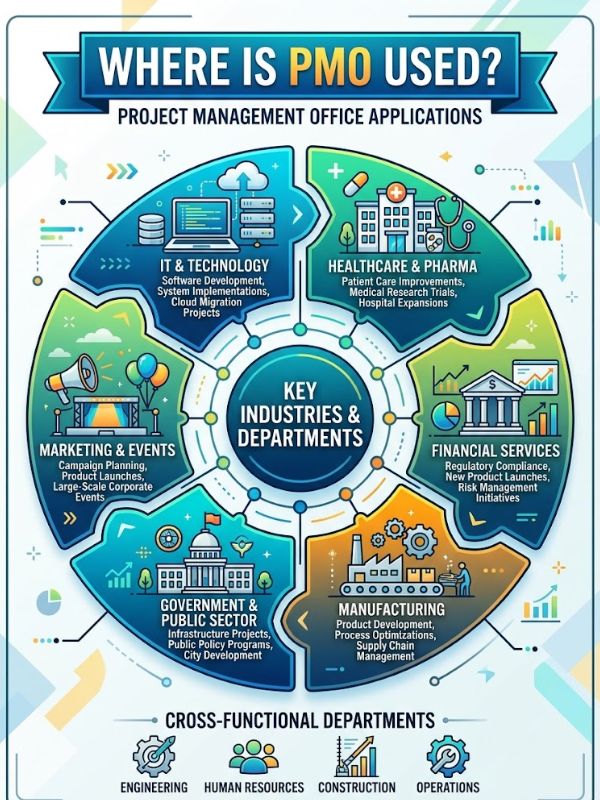
PMO appears across many apps and chats. The meaning can shift a little in each place. Let’s look at the main spots.
Social Media
On social platforms, PMO shows up in captions, comments, and replies. Users type it fast. They expect followers to understand. Most of the time, it means “Put Me On.” Creators and fans use it to start a trade of tips.
It builds quick, friendly talk. Sometimes it also appears in rants. A user may post a screenshot of a rude message and add “This PMO.” Followers then guess the meaning from the image.
TikTok
TikTok is a big home for PMO. Users ask the crowd for tips in comments and captions. Common topics include songs, recipes, and cheap finds.
You might see a video caption like “New to anime. PMO.” The comment section then fills with title ideas. TikTok also uses PMO in angry or funny skits. A creator may act annoyed and write “Things that PMO” over the clip.
On Instagram, PMO appears in Stories, captions, and DMs. Stories often use the question sticker. A user may write “Bored. PMO to something to watch.” Followers reply with picks. It feels like a mini poll. In DMs, PMO can be personal. A friend might send “Lunch spots? PMO.” It is a quick way to ask for help.
Snapchat
Snapchat chats move fast. Messages vanish. So users type short words. PMO fits well here. You may get a snap that says “Road trip next week. PMO to songs.” Friends reply with song names and photos. Snapchat also sees the angry use. A snap of a long line with the text “PMO” says the user is fed up.
Discord
Discord servers are full of gamers, artists, and communities. People ask for tips all the time. PMO is common in music, gaming, and anime channels. A user may write “Just got a new headset. PMO to good games.” Others then drop game names. In heated voice or text chats, PMO can also mean “Pisses Me Off.” Players use it after a bad match or a laggy game.
Text Messages
In plain texting, PMO is casual and quick. Friends use it in one on one chats and group chats. A text like “PMO to a good barber” asks for a recommendation. A text like “My landlord PMO” shares a frustration. Tone and timing help. If the chat is calm, assume “Put Me On.” If the chat is about a problem, assume “Pisses Me Off.”
PMO Meaning in Texting and Social Media
Across all apps, the pattern is easy. Learn two clues, and you will rarely get it wrong.
- Clue 1: Look at the sentence around PMO. If the sentence asks for ideas, it means “Put Me On.” If it shares a complaint, it means “Pisses Me Off.”
- Clue 2: Look at the emoji. Hearts, fire, and music notes often point to “Put Me On.” Angry faces, eye rolls, and skulls often point to “Pisses Me Off.”
Here is a short guide:
| Message | Likely Meaning | Why |
| “Need new shows. PMO 🍿” | Put Me On | Popcorn emoji and a request |
| “He left me on read again. PMO 😤” | Pisses Me Off | Angry emoji and a complaint |
| “PMO to your fav perfume” | Put Me On | Direct ask for a tip |
| “This traffic PMO” | Pisses Me Off | Describes a bad situation |
If you still feel unsure, just ask. A quick “Do you mean put me on?” clears it up fast.
How to Use PMO in a Sentence
Using PMO is easy. Place it at the end of a request, or after a topic. Keep it short.
For “Put Me On”:
- “Looking for good study music. PMO.”
- “PMO to some cheap sneakers.”
- “I need a new series. PMO.”
- “Anyone have a good ramen place? PMO.”
For “Pisses Me Off”:
- “Slow internet really PMO.”
- “That group project PMO so much.”
- “People who skip the line PMO.”
Notice the pattern. Both uses keep the sentence short. Both sound casual. Always think about your reader. If your reader may not know the slang, write the full phrase instead.
PMO in Business and Corporate Settings
In work life, PMO means Project Management Office. It is a team or department inside a company. Its job is to set rules and standards for projects. A PMO helps a company stay organized. It tracks timelines, budgets, and risks. It also trains project managers and shares best practices.
Common PMO tasks include:
- Setting project standards and templates
- Tracking progress across many projects
- Managing resources and budgets
- Reporting updates to leaders
- Reducing risk and delays
You may see this meaning in job posts, such as “PMO Analyst” or “PMO Director.” It also shows up in meetings, like “Send the update to the PMO.”
Do not mix the two worlds. A PMO email at work is not slang. If a coworker writes “PMO,” think project office first. In news, PMO can also stand for “Prime Minister’s Office” in some countries. Again, context tells you which one applies.
PMO vs. Similar Internet Slang
Slang can be confusing because many short terms look alike. Here is how PMO compares with other common terms:
| Slang | Meaning | How It Differs from PMO |
| PMO | Put Me On / Pisses Me Off | Has two main chat meanings |
| IDK | I don’t know | Shows uncertainty, no request |
| IMO | In my opinion | Shares a view, not a request |
| TBH | To be honest | Adds honesty to a statement |
| FR | For real | Confirms agreement |
| SMH | Shaking my head | Shows disappointment |
| PMS | Many meanings, often a medical term | Not the same use in chat |
| POV | Point of view | Sets a scene or angle |
Some people mix up PMO with IMO. They look alike, yet they work very differently. IMO adds an opinion. PMO asks for help or shows anger. SMH is closer to the angry use of PMO. But SMH shows disappointment, while PMO shows stronger irritation.
Why People Use PMO in Texting

People love short words. Typing on a phone takes effort, and slang saves time. PMO helps users say a lot with three letters. There are four big reasons people reach for it.
1. It’s Short
Three letters beat three words. When you text fast, short terms win. You can ask for a tip in one second. Short terms also fit captions and comments with tight limits. This is why PMO spreads so easily.
2. It Sounds Casual
PMO feels relaxed. It sounds like a friend talking, not a formal request. Users feel at ease asking for help this way. A casual tone also lowers pressure. A reader can answer with one word or a full list.
3. It Fits Internet Culture
Online culture loves inside terms. Using PMO shows you know the language. It makes you feel part of the group. Creators use it to sound relatable. Fans use it to join in. Slang acts like a shared handshake.
4. It Encourages Conversation
When someone asks “PMO,” they invite replies. People enjoy sharing favorites. One post can turn into a long thread. This helps creators, too. More replies mean more reach. So the term supports both talk and growth.
Why People Search “What Does PMO Mean in Text?”
Many users see PMO and feel lost. They do not want to look silly by asking a friend. So they search online.
Here are common reasons people search:
- A friend or crush sent it in a message
- They saw it in a TikTok comment
- A teen used it in a family chat
- They saw it in a work email and felt confused
- They want to use slang correctly
Parents and older users search often. Slang moves quickly, and they want to keep up. Newer users search because the term has several meanings. The search also grows because the phrase appears in so many places. When a term is everywhere, curiosity grows.
Real Life Examples of PMO Meaning in Text
Examples make slang easy to learn. Here are eight short chats you might see.
Example 1: Music
Mia: Gym playlist is boring. PMO.
Zara: Try the new album by that rising singer. Great beats.
Meaning: Mia asks for song ideas.
Example 2: Food
Sam: I want a spicy snack. PMO to something new.
Ali: Get the chili chips from the corner shop.
Meaning: Sam wants a tasty tip.
Example 3: Netflix
Nina: Finished my show last night. PMO to the next one.
Omar: Watch the crime drama everyone talks about.
Meaning: Nina wants a series suggestion.
Example 4: Gaming
Hassan: Bought a console today. PMO to fun co-op games.
Meaning: Hassan wants game picks. Friends will reply with titles.
Example 5: Fashion
Lena: Need a cool jacket for winter. PMO to brands.
Sara: Try a local store with wool coats.
Meaning: Lena asks for brand and style ideas.
Example 6: Frustration
Dan: My phone froze again during the match. PMO.
Eli: Ugh, that’s the worst.
Meaning: Dan is annoyed. This is the angry use.
Example 7: School
Ayesha: Teacher added extra homework on Friday. That PMO.
Rida: Same here. I’m so tired.
Meaning: Ayesha feels irritated about homework.
Example 8: Fitness
Bilal: Starting workouts this week. PMO to easy routines.
Hira: Try short home workouts with no gear.
Meaning: Bilal wants beginner tips.
Notice how each chat gives clues. Topic, tone, and punctuation all help.
When Should You Use PMO?
Use PMO when the mood is light and the audience gets slang. It works best in friendly spaces.
Good moments include:
- Asking friends for music or show ideas
- Posting a caption to get tips from followers
- Venting a small annoyance to a close friend
- Chatting in a gaming or fan group
- Writing a quick comment on social media
Keep your message clear. Add the topic so readers know what you want. For example, “PMO to anime” is clearer than “PMO.” Details help people reply faster. You can also pair PMO with a short question. “Any good books? PMO.” This makes your request feel warm and open.
When Should You Avoid PMO?
Some places need clear and polite language. Avoid PMO in those spaces.
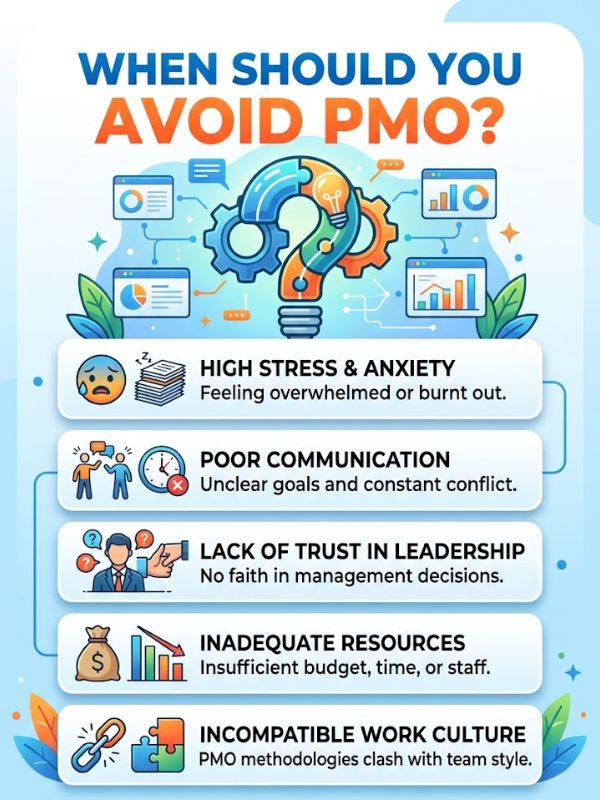
Skip it in:
- School emails and class notes
- Job applications and cover letters
- Work messages with managers or clients
- Chats with people who may not know slang
- Serious or sensitive talks
The angry meaning has a swear word inside, so it can sound rude. Using it at the wrong time can hurt your image. Also avoid PMO at work when you mean the slang. Your team may think of the Project Management Office. That can cause a funny, or awkward, mix up. When in doubt, write the full phrase. “Please recommend a good book” is always safe.
Common Misunderstandings About PMO
Many people get PMO wrong. Let’s clear up the biggest myths.
Myth 1: PMO Has Only One Meaning
Wrong. PMO has at least three common meanings. Two are slang, and one is a business term. Always check the context.
Myth 2: It Always Means Something Negative
Wrong. Many people think PMO is rude because of the angry meaning. Yet “Put Me On” is friendly and positive. It shows interest, not anger.
Myth 3: Everyone Knows What PMO Means
Wrong. Slang stays inside certain groups. Some people have never seen PMO. Older users and non native speakers may get confused.
Myth 4: It’s Appropriate Everywhere
Wrong. PMO belongs in casual chats. It does not belong in formal writing. Match the term to the place.
Pro Tips for Using PMO Correctly
A few simple habits will help you use PMO well.
Read the Context
Check the topic and the tone. A request for ideas means “Put Me On.” A complaint means “Pisses Me Off.” Emoji and punctuation add clues.
Use It Casually
PMO works best in relaxed chats. Keep your message short and friendly. Do not force it into long, serious writing.
Don’t Overuse Slang
Too much slang can make a message hard to read. Mix plain words with slang. Your reader will thank you.
Be Specific
Add what you want. “PMO to horror movies” beats a plain “PMO.” Clear requests bring better answers.
Learn Both Meanings
Know the friendly and the angry use. Then you will never misread a message. You will also avoid sending the wrong tone.
Why PMO Has Become So Popular
PMO grew with social media. Short videos, quick posts, and fast chats pushed users to shorten words. Three letters fit perfectly. The “Put Me On” meaning also fits how people share culture today.
Fans love to discover new songs, shows, and brands. Asking for tips is now part of daily online life. Creators helped, too. They use PMO in captions to spark replies. Replies boost reach, so the habit spread. Search trends show growing curiosity.
Frequently Asked Questions
What does PMO mean in text?
PMO most often means “Put Me On,” a request for a recommendation. It can also mean “Pisses Me Off.”
What does PMO mean on TikTok?
On TikTok, PMO usually means “Put Me On.” Users ask for songs, shows, recipes, and product tips.
Is PMO a rude word?
It depends on the meaning. “Put Me On” is polite and friendly. “Pisses Me Off” has a swear word, so it can sound rude.
What does PMO mean in business?
In business, PMO means “Project Management Office.” It is a team that guides and tracks company projects.
How do I reply when someone texts PMO?
First check the context. If it is a request, share a tip. If it is a complaint, offer support.
Can I use PMO in a formal email?
No. Keep PMO for casual chats. In formal writing, use full words, unless you mean the Project Management Office.
Is PMO the same as IMO?
No. IMO means “In my opinion,” which shares a view. PMO asks for a tip or shows anger.
Final Thoughts
PMO may look like a tiny word, but it carries real weight in modern chats. It can ask for a great song, show a bad mood, or name a business team. The trick is to read the context and watch the tone.
Now you can spot each meaning with confidence. Use “Put Me On” to discover new favorites, and use the angry meaning with care. Keep formal spaces slang free, and you will always sound clear and smart.


