
You see “WTMS” in a text and wonder what it means. You are not alone. This short slang term confuses many people. It looks simple, but the meaning can change with the chat.
WTMS most often means “What’s the move?” It asks about plans or what to do next. Sometimes it means “What’s the matter?” when someone checks on you. This guide explains each meaning, shows real examples, and tells you how to reply. You will also learn when to use WTMS and when to skip it.
What Does WTMS Mean In Text?
WTMS most often means “What’s the move?” It asks about plans, ideas, or what to do next. Some people also use it for “What’s the matter?” when they check on someone.
The meaning depends on the chat. A friend asking “WTMS tonight?” wants plans. A friend asking “WTMS? You look upset” wants to know what is wrong. Always read the message around it. The tone, the timing, and the person all give clues.
Most Common WTMS Meaning In Text
The most common meaning is “What’s the move?” People use it to ask what the group should do. It works for weekends, evenings, or right now. The final S is unclear. It may stand for “moves” or work as a casual tag at the end. No source settles this, so treat the plans meaning as the main one.
Common WTMS Meaning
The second common meaning is “What’s the matter?” Here the sender checks on your mood or a problem. The tone is usually caring or curious. This meaning shows up when someone seems upset or quiet. A sad story post followed by “WTMS?” is a good example.
Less Common WTMS Meaning
Some pages list a rude version, such as “What’s the matter, stupid?” Others list a playful version with a softer last word. These forms are rare and depend on tone. Between close friends, a teasing version can sound funny. From a stranger, it can sound harsh.
Rare WTMS Meaning
Outside of texting, WTMS can refer to a logistics tool, such as a warehouse or web based transport management system. You will see it in business software and supply chain talk. This meaning almost never appears in casual chat. If you read it in a work email about shipping, it is likely the business term.
Origin And Evolution Of WTMS
No one has traced WTMS to a first user or a first post. It looks like a growth of “WTM,” which also means “What’s the move?” Texters often add letters to shorthand to give it a new flavor.
Slang like this spreads through group chats, stories, and short videos. It does not need an official start. It only needs people to copy it. Over time, the term picked up extra meanings. That is normal for short acronyms with only four letters.
Psychological And Emotional Meaning Of WTMS
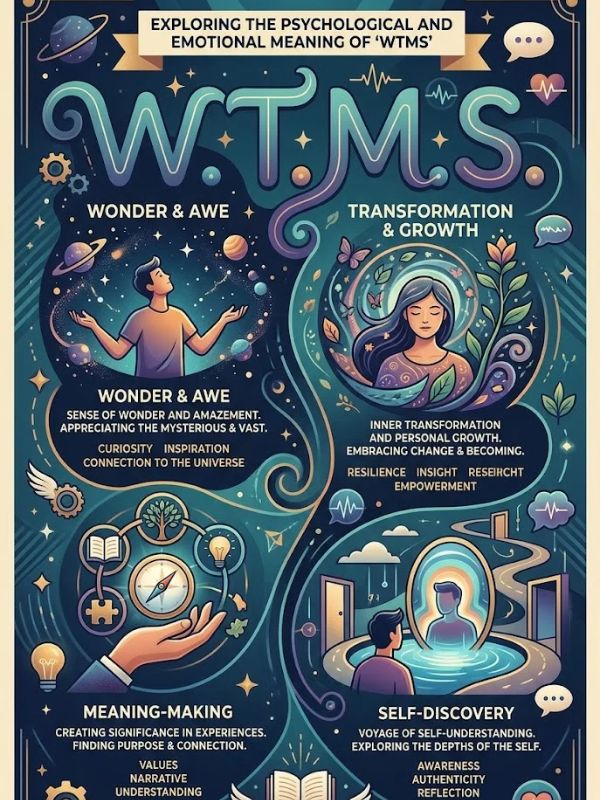
People use WTMS to sound relaxed. It signals “I am open to anything.” That feeling makes the question easy to answer. It can also show care. When someone asks “WTMS?” after a rough day, the short form feels lighter than a long, serious question. The shorthand lowers pressure. You do not have to give a long answer.
Communication Function Of WTMS
WTMS works as a conversation starter. It opens a topic with very little effort. It also invites a quick reply. It can act as a check in too. In a group chat, one “WTMS?” can restart a quiet thread.
Common functions include:
- Asking for plans
- Starting a chat
- Checking on someone’s mood
- Inviting ideas from a group
Cultural And Generational Context Of WTMS
Younger users on social apps use WTMS the most. They grew up with fast replies and short forms. Older users may not know it at all. Slang also changes by region and friend group. A term common in one city may be unknown in another. Because of this, never assume the other person knows WTMS. When in doubt, add a few extra words.
Why WTMS Became Popular
WTMS became popular because it is quick. Four letters replace a whole question. That fits fast messaging. It is also flexible. One term can ask about plans, mood, or next steps. Flexible slang spreads faster. Finally, it sounds friendly and low effort. People like words that feel casual and warm.
Semantic Core Meaning Of WTMS
At its core, WTMS asks one thing: “What is happening, and what do we do about it?” The question looks forward in the plans meaning. It looks at the present moment in the “matter” meaning. Related ideas include plans, next steps, and mood checks. Related phrases include “what’s up,” “what are we doing,” and “what’s going on.”
What It Means
Put simply, WTMS is a short question. It asks for information, a plan, or an explanation. It is not a statement. You can think of it as a quick opening line. The other person fills in the rest.
Typical Use Cases
People use WTMS in a few common situations:
- Planning a night out
- Asking friends for ideas when bored
- Checking on someone who seems down
- Restarting a quiet group chat
- Asking what to do next in a game or task
Each use shares the same idea. The sender wants a quick, relaxed answer.
Examples In Different Tones
The same four letters change with tone. Here are some examples.
| Tone | Example | Likely meaning |
| Excited | “WTMS tonight?? I’m free!” | What’s the plan? |
| Caring | “You went quiet. WTMS?” | What’s the matter? |
| Playful | “WTMS, are we doing anything?” | What’s the move? |
| Annoyed | “WTMS. Answer me.” | What’s wrong with you? |
Notice how punctuation changes the feeling. Many question marks sound eager. A period sounds blunt.
What It Can Sound Like
WTMS can sound friendly, curious, or caring. It can also sound dry or rushed if the sender sends it alone with no context. A lone “WTMS” with no emoji can feel cold. Adding a smile or a short follow up fixes that. Tone matters more than the letters. Always check the sender’s usual style.
How WTMS Is Used in Texting
Most people type WTMS in lowercase. Many drop the question mark. Some add emojis to set the mood. It usually sits at the start of a message or stands alone. A short follow up often comes right after, like “WTMS? Anyone free?” Texters also use it as a reply. If a friend says “I’m bored,” you might answer “WTMS?”
WTMS in Social Media and Texting Platforms
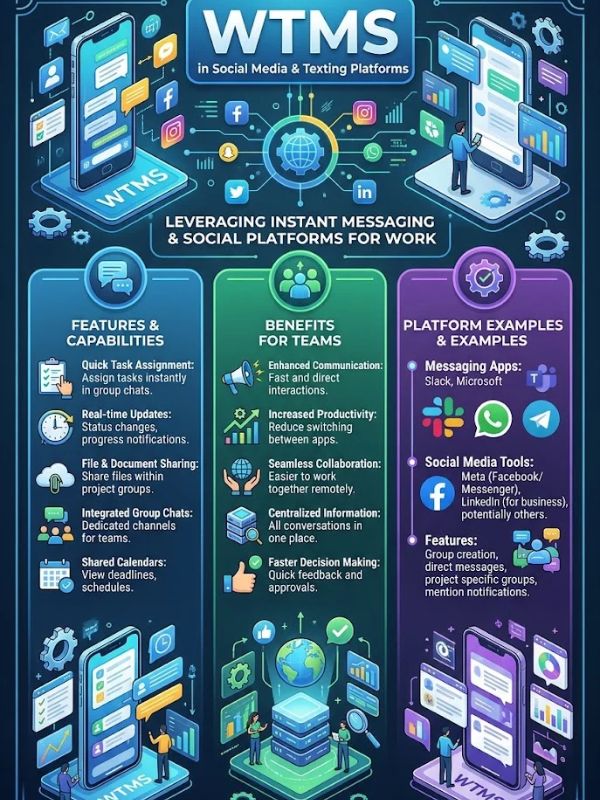
On social platforms, WTMS often appears in captions, story replies, and comments. It works well in short formats. In private chats, it feels more personal. In public posts, it often invites a crowd to reply. The next sections show how each platform changes the meaning.
Benefits of Using WTMS
WTMS has real benefits when used well:
- It saves time and typing
- It keeps the mood light
- It invites quick answers
- It fits fast chats and small screens
It also helps you start talks without sounding formal. That can make shy people feel more at ease. The benefits only work when the other person understands the term. Otherwise it creates confusion.
WTMS in Digital Communication and Online Slang
WTMS belongs to a large family of online slang. These terms shrink long questions into a few letters. They help people keep pace with fast chats. Slang like this also builds group identity. Using the same short forms makes friends feel connected. Still, slang changes quickly. A term that feels fresh today may feel old next year.
The Role of WTMS in Texting Etiquette
Good texting etiquette means being clear and kind. WTMS can fit that rule with friends. It does not fit every person. Use it with people who know your style. Avoid it with bosses, teachers, or new contacts.
A few simple rules help:
- Match the other person’s style
- Add context if the message could confuse
- Avoid it in serious talks
- Spell it out when unsure
Popular Texting Acronyms and Slang Terms
WTMS sits near many other short forms. Here are some that readers often see next to it.
| Term | Common meaning |
| WTM | What’s the move |
| WYD | What are you doing |
| HMU | Hit me up |
| WYA | Where are you at |
| IDK | I don’t know |
| TBH | To be honest |
| BRB | Be right back |
| IMO | In my opinion |
Learning these terms helps you decode chats faster. Many share the same casual, plan focused feel.
Meaning Based On Context
Context decides which meaning wins. The people, the topic, and the tone all matter. Think of WTMS as a question with a hidden second half. The setting fills in the missing words.
Positive Use
A positive use is friendly and open. It invites plans or shows care.
Example: “WTMS this weekend? I’d love to see you.” Positive use often includes emojis or warm words. That makes the meaning clear.
Neutral Use
A neutral use simply asks for information.
Example: “WTMS for tomorrow?” It has no strong emotion. Neutral use is common in group chats and planning threads.
Negative Or Critical Use
A negative use sounds annoyed or sharp.
Example: “WTMS with you today?” It can feel like a complaint. In this case the sender may mean “What’s the matter with you?” That can hurt. Handle it carefully.
Dry Or Rushed Use
A dry use is short and flat.
Example: just “wtms.” It may come from a busy or tired person. Do not assume anger. Many people text this way when they are in a hurry.
How WTMS Is Used In Real Conversations
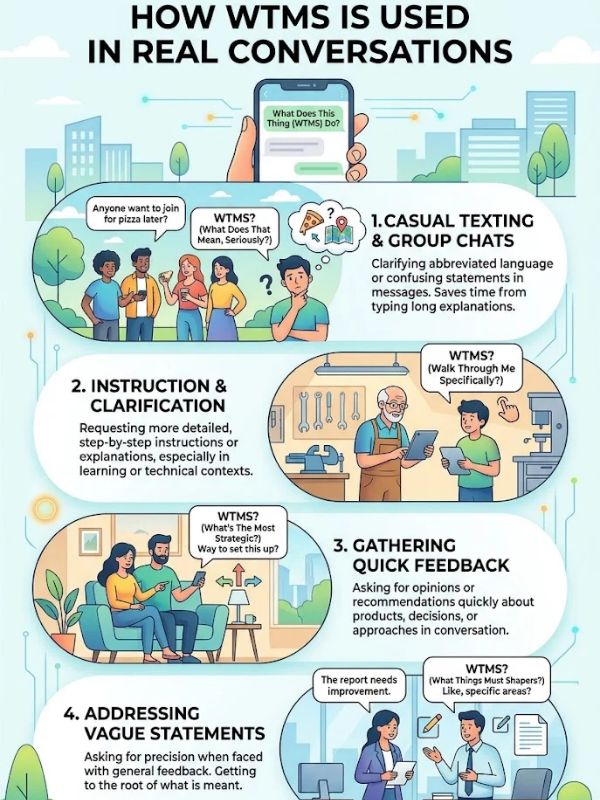
Real chats show how flexible WTMS is. The same term can ask, react, or invite. The examples below show common patterns.
Understanding Or Clarifying
People use WTMS to clarify what is going on. Example:
“Everyone is quiet.”
“WTMS?”
Here the sender wants to understand the mood or the plan.
Reacting Or Labeling
Sometimes WTMS reacts to a message. A friend posts a long complaint, and you reply “WTMS?” to ask for more. It works as a short prompt that says “Tell me more.”
Social Or Dating Context
In dating chats, WTMS often means “What’s the move?” It asks about plans to meet or talk. Example: “WTMS Friday?” It can sound casual and confident. Some people find it too vague. If you want a clear date, add a time or place.
Group Or Online Context
In group chats, WTMS restarts a quiet thread. Example: “WTMS everyone? It’s dead in here.” It also helps groups decide on plans fast. People reply with ideas, and the group picks one.
Gaming Context (If Relevant)
In gaming, WTMS can ask “What’s the move?” in a match. Players use it to ask for the next step or strategy.
Example: “We lost the point. WTMS?” Teammates then reply with a plan.
WTMS Meaning On Different Platforms
Each platform shapes how people read WTMS. Speed, privacy, and audience all differ. The meaning stays close to “What’s the move?” across all of them. The tone changes.
WTMS Meaning On Snapchat
On Snapchat, WTMS usually asks about plans. Snaps are quick and informal. A snap with “WTMS?” over a photo often asks who is free. Replies tend to be fast and casual.
WTMS Meaning On TikTok
On TikTok, WTMS shows up in comments and captions. It often asks the audience what to do or what happens next. It can also appear in a joking way under a funny video. Read the video for clues.
WTMS Meaning On Instagram
On Instagram, WTMS appears in story captions, direct messages, and comments. A story with “WTMS tonight?” asks followers for ideas. In direct messages, it may ask about plans or check in. Some pages also report a “What’s the matter?” reading, so look at the tone.
WTMS Meaning On Discord Or Communities
On Discord and online communities, WTMS often asks what the group will do. Members use it before games, events, or voice chats. It may also check on a quiet member. Community norms matter, so follow the server’s style.
When To Use Vs When To Avoid WTMS
WTMS fits some chats and not others. Knowing the difference keeps your messages clear. A simple test works well. If you would say it casually to a friend in person, WTMS is probably fine.
When To Use
Use WTMS when:
- You text close friends
- The chat is casual
- You want quick ideas
- The group already uses slang
It works best when everyone knows the term.
When To Avoid
Avoid WTMS when:
- You write to a boss or teacher
- The topic is serious
- The other person does not know slang
- You want a clear, exact answer
In these cases, a full sentence is safer.
Professional And Safe Alternatives
Use clear phrases instead. Here are some safe options:
| Instead of WTMS | Try this |
| WTMS? | What are the plans? |
| WTMS? | Is everything okay? |
| WTMS? | What should we do next? |
| WTMS? | What is the next step? |
These phrases keep your message polite and clear.
Hidden Or Risky Meanings Of WTMS
The biggest risk is the rude reading. “What’s the matter, stupid?” can sound insulting. If someone uses it that way, it can hurt. Another risk is confusion. If you mean “What’s the move?” and the reader sees “What’s the matter?”, they may think something is wrong.
To lower risk:
- Add context
- Use an emoji
- Ask a clear follow up
- Spell it out if unsure
Variations And Forms Of WTMS
People write WTMS in several ways:
- wtms
- WTMS?
- wtmsss
- WTMS tonight
- wtms rn
Some add extra letters or words for emphasis. “rn” means “right now.” These forms keep the same basic meaning. Always read the extra words. They often tell you the real intent.
WTMS Vs Similar Slang
WTMS is close to a few other terms, but not identical.
| Term | Meaning | Difference |
| WTM | What’s the move | Shorter, same idea |
| WYD | What are you doing | Asks about now, not plans |
| WYA | Where are you at | Asks for location |
| HMU | Hit me up | Invites contact |
WTMS leans toward plans. WYD leans toward current activity.
How To Decode The Correct Meaning
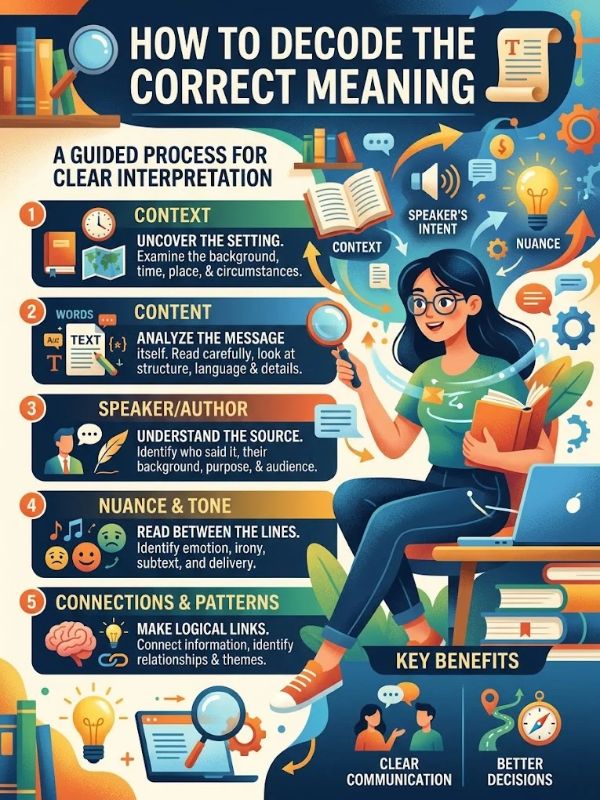
Use a quick three step check.
- Read the lines before it.
- Look at the tone, emojis, and punctuation.
- Think about the sender and your relationship.
If the chat talks about plans, choose “What’s the move?” If the chat talks about feelings, choose “What’s the matter?” Still unsure? Ask. A short “Do you mean plans or are you checking on me?” solves it fast.
How To Respond To WTMS
Your reply should match the meaning. Plans questions need ideas. Mood checks need honesty or comfort. Pick a style that fits the sender.
Casual Replies
Keep it short and relaxed:
- “Nothing yet, you?”
- “Not sure, any ideas?”
- “Down for anything.”
Friendly Replies
Show warmth and offer ideas:
- “Want to grab food later?”
- “I’m free tonight, let’s hang out.”
- “Thanks for checking in, I’m okay.”
Mature Or Respectful Replies
Use clear, polite words:
- “I’m available after six. What works for you?”
- “Thanks for asking. Everything is fine.”
- “Could you clarify what you mean?”
Boundary Or Privacy Responses
You do not have to answer everything. These replies set limits kindly:
- “I’d rather not talk about it right now.”
- “I’m busy tonight, but thanks for asking.”
- “Let’s talk about something else.”
A polite boundary is always okay.
Common Misunderstandings About WTMS
People often get a few things wrong about WTMS.
- Myth: It has one fixed meaning. Fact: Context changes it.
- Myth: It is always rude. Fact: Most use is friendly.
- Myth: It is official slang. Fact: It has no official definition.
- Myth: Everyone knows it. Fact: Many people have never seen it.
Remember these points to avoid mixed signals.
Regional And Cultural Usage Of WTMS
Slang spreads unevenly. WTMS appears more in English speaking online spaces, especially among younger users on social apps.Other regions may use different short forms. Some use local language slang instead. If you chat across cultures, spell things out. It avoids confusion and shows respect.
Frequently Asked Questions
Is WTMS A Common Texting Acronym?
It is used but not as common as WYD or HMU. You see it mostly among younger users in casual chats.
Does WTMS Always Mean What’s The Move?
No. It usually means “What’s the move?” but can also mean “What’s the matter?” depending on the chat.
Is WTMS Safe For Work?
It is not a good fit for work. Use full sentences with coworkers, bosses, and clients.
Can WTMS Be Used In Dating Conversations?
Yes. It often asks about plans. For clarity, add a time or place so the message feels more intentional.
Is WTMS Used On Snapchat And Instagram?
Yes. People use it in snaps, stories, and direct messages, mostly to ask about plans.
How Do I Reply To WTMS If I Don’t Know The Meaning?
Ask politely, like “Do you mean plans or how I’m doing?” A clear question avoids a wrong guess.
Can WTMS Be Rude Or Offensive?
Sometimes. A harsh tone or an insulting last word can make it rude, so read the tone before reacting.
Final Thoughts
WTMS is a short, flexible slang term. It most often asks “What’s the move?” and sometimes asks “What’s the matter?” Context, tone, and the sender tell you which one to pick.
Use it with friends and in casual chats. Choose full sentences at work or in serious talks. When you feel unsure, ask a quick question and keep your message clear.