
Ever seen “wtw” in a text and felt confused you are not alone. This short acronym shows up in texts, DMs, and social media comments every day. It looks like a random mix of letters, but it has a simple meaning once you know it.
WTW stands for “What’s the word.” People use it as a casual way to ask what is new or what someone is up to. It works just like “what’s up” or “what’s going on.” In this guide, you will learn the full meaning of WTW, where it came from, and how to use it the right way in your own chats.
WTW Meaning at a Glance
WTW is a short way of asking “What’s the word?” It is a casual greeting that people use to ask someone what is happening in their life right now.
Here is a quick snapshot table that sums up the core meaning.
| Aspect | Detail |
| Full form | What’s the word |
| Type | Text and chat slang |
| Tone | Casual and friendly |
| Common platforms | iMessage, WhatsApp, Snapchat, Instagram, TikTok |
| Typical reply | “Nothing much, you?” or an update on plans |
| Formality level | Very informal, not for work emails |
Most people use WTW to check in with a friend or to ask what someone is up to. It works a lot like “what’s up” or “what’s new,” but it feels a bit more relaxed and modern.
Defining the Acronym WTW
WTW stands for “What’s the word.” People use it to open a conversation without sounding too formal. It is short, quick to type, and easy to understand once you know the meaning. The phrase works as a greeting.
It does not always need a deep answer. Someone might reply with a simple update, a joke, or even just “nm, wbu” (not much, what about you). In some cases, WTW can also stand for other things depending on the context. For example, some gamers use it to mean “want to win” or “watch the win.” This shows why context always matters when reading text slang.
Quick Definition for Featured Snippets
WTW means “What’s the word.” It is internet slang used to ask someone what is going on in their life or day. People use it in texting, social media comments, and casual chats with friends.
Where Did WTW Come From?
Slang like WTW did not appear overnight. It grew out of older phrases that people used to greet each other casually. “What’s the word” has roots in everyday spoken English, long before texting existed.
People used to say “what’s the word on the street” to ask about news or gossip in a neighborhood. Over time, this phrase got shorter in daily speech. When texting became popular in the early 2000s, people needed quick ways to type common phrases. That is when acronyms like WTW started showing up.

Text messaging plans once charged users per message or per character. This pushed people to shorten everything they typed. WTW became a natural shortcut for a common greeting. As social media grew, the acronym spread from text messages to comments, captions, and direct messages.
How Is WTW Used in Conversations?
WTW usually starts a conversation. Someone sends it to check in with a friend or to see if plans are happening. It rarely appears in the middle of a deep conversation because it works best as an opener.
Here is how a typical exchange might look.
- Person A: “yo wtw”
- Person B: “nothing much, just chilling. wtw with you?”
- Person A: “bored, wanna hang out later?”
This shows the natural flow. One person asks, the other answers and asks back, and then the conversation moves into real plans or topics.
People also use WTW as a way to restart a conversation that has gone quiet. If two friends have not talked in a few days, one might text “wtw” to break the silence without making it feel awkward.
Featured Snippet Answer
How is WTW used in conversation? WTW is used at the start of a chat to ask what is happening with the other person. It works like “what’s up” and invites a casual, friendly reply.
Different Meanings of WTW Depending on Context
While “What’s the word” is the most common meaning, WTW can shift depending on where you see it. Context clues like the platform, the people involved, and the surrounding words all help decide the real meaning.
Below is a simple table showing different possible meanings.
| Context | Likely Meaning |
| Texting between friends | What’s the word (greeting) |
| Gaming chat | Want to win / Watch the win |
| Work chat | What’s the word (used to ask for updates) |
| Dating apps | What’s the word (used to start a chat) |
| Sports betting groups | What’s the word (asking for tips or picks) |
Reading the full sentence around WTW usually makes the meaning clear. If someone asks it right after saying hello, it almost always means “what’s the word.”
WTW Meaning in Work
In a work setting, WTW rarely appears in formal emails. But it does show up in casual Slack messages or texts between coworkers who are friendly with each other. In this setting, WTW usually means “What’s the word” as a way to ask for a project update.
A coworker might type “wtw on the report” to ask if the report is ready or what stage it is at. Even though this usage exists, it still sounds casual. Most workplaces prefer full sentences for anything official. Save WTW for quick, informal chats with close coworkers, not client emails or official documents.
What Does WTW Mean in Gaming
Gamers often use WTW with a slightly different meaning. In gaming chats, it can stand for “want to win” or “watch the win,” especially in competitive games like Call of Duty, Fortnite, or League of Legends.
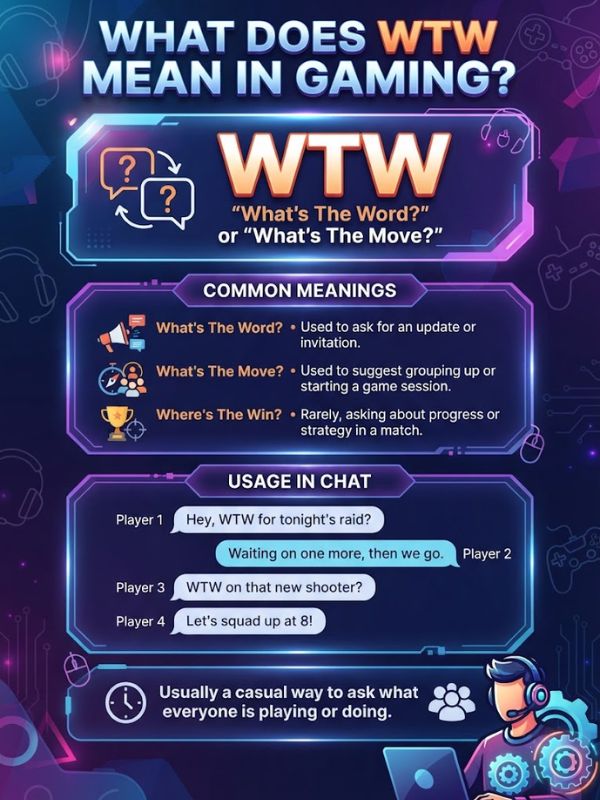
A player might type “wtw” in a lobby to hype up the team before a match. It works as a short way to say everyone should focus and play to win. Other times, gamers use it the standard way, asking teammates what is going on or what the plan is.
Here are common gaming scenarios where WTW appears.
- Before a ranked match to boost team spirit
- In post game chat to ask what happened
- As a general greeting in a Discord voice channel text box
Real-Life Examples of WTW in Text Messages
Seeing real examples makes the meaning easier to remember. Below are sample text exchanges that show how WTW fits into daily conversations.
Example 1: Friends catching up
- Text 1: “wtw, haven’t heard from you in days”
- Text 2: “sorry been busy with school, wtw with you”
Example 2: Making weekend plans
- Text 1: “wtw this weekend”
- Text 2: “thinking about going to the beach, you in?”
Example 3: Checking on someone
- Text 1: “hey wtw, you good?”
- Text 2: “yeah just tired, long day at work”
These examples show that WTW almost always leads to more conversation. It rarely stands alone as a full message.
Usage in Online Communities and Dating Apps
WTW shows up often on dating apps like Tinder, Bumble, and Hinge. People use it as an easy opener because it feels friendly without being too forward. A simple “hey wtw” can start a light and low pressure conversation.
On dating apps, WTW often works better than generic openers like “hi” because it invites a real answer. It gives the other person something specific to respond to, which can lead to a longer chat.
In online communities like Reddit, Discord, and gaming forums, WTW shows up in comment threads too. It might ask what is happening in a specific game update, a community event, or general chatter within the group. Social media captions sometimes use WTW as well. A person might post a photo with the caption “wtw this weekend?” to ask followers about their plans or to spark comments on the post.
Common Misconceptions and Clarifications
Some people confuse WTW with other similar looking acronyms. This mix up can cause confusion, especially for those new to texting slang.
Here are a few common mistakes people make.
- Confusing WTW with WTF, which means something completely different and often carries a strong tone
- Thinking WTW always means the same thing across every app or group, when it can shift slightly based on context
- Assuming WTW is rude or aggressive, when in most cases it is a friendly, casual greeting
Another misconception is that WTW is brand new slang. In reality, it grew from an older spoken phrase that has been around for decades before texting existed. The acronym form is newer, but the meaning is not.
Hidden or Offensive Meanings
In most everyday situations, WTW carries no hidden or offensive meaning. It stays friendly and light. However, slang can shift meaning based on the group using it, so it helps to stay aware.

In some rare online spaces, people have used WTW with other meanings tied to inside jokes or specific community slang. These meanings are not widely known and usually only make sense within that specific group or forum.
If someone uses WTW in a message that already feels negative or aggressive, the meaning of the full message likely comes from the surrounding words, not the acronym itself. Always read the full context before assuming a hidden meaning.
Similar Terms and Alternatives
Many other acronyms share a similar purpose to WTW. These terms all work as casual greetings or conversation openers in texting and chat apps.
| Acronym | Full Meaning |
| WYD | What are you doing |
| WBU | What about you |
| HBU | How about you |
| SUP | What’s up |
| WYA | Where you at |
| HMU | Hit me up |
People often mix these terms into the same conversation. For example, someone might text “wtw, wyd later” in a single message. Knowing these alternatives helps you understand casual texting as a whole, not just WTW.
How to Respond to This Term
Replying to WTW is simple once you understand the meaning. You do not need a long or detailed answer. A short, natural response works best.
Here are some easy ways to respond.
- “Nothing much, just relaxing”
- “Not much, wbu?”
- “Just got home from work, wtw with you?”
- “Bored, wanna do something later?”
The goal is to keep the reply casual and short. You can also turn the question back to the sender, which keeps the conversation going naturally.
Featured Snippet Answer
How do you respond to WTW in a text? Reply with a short update on what you are doing, then ask the same question back, such as “not much, wbu?”
Regional and Cultural Differences
WTW is common across the United States, Canada, and the United Kingdom, but usage can vary slightly by region. In some areas, people use it more often among younger age groups, especially teens and college students.
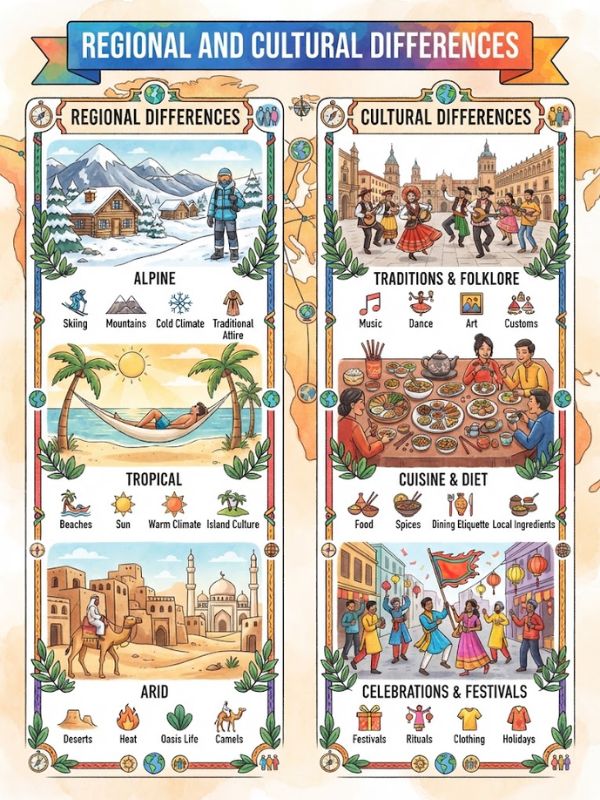
In certain cities, especially in urban slang culture, “what’s the word” has roots in hip hop and street language before it became texting slang. This cultural background still shapes how the phrase feels today, carrying a relaxed, community based tone.
In other English speaking countries like Australia or South Africa, WTW appears less often. People there may use different local slang for the same greeting, such as “howzit” or “what’s cracking.”
Suitability for Professional Communication
WTW does not belong in formal professional communication. Emails to clients, official reports, and business proposals should avoid this kind of slang completely. However, casual internal chats between coworkers who know each other well can sometimes include WTW without any issue.
Many workplaces today use tools like Slack or Microsoft Teams, where casual language often slips into daily use. A good rule to follow: if you would not say “what’s the word” out loud to your boss, do not type “wtw” to them either. Save it for friends, close coworkers, or casual group chats instead.
Frequently Asked Questions
What does WTW mean in a text message?
WTW means “What’s the word.” People use it as a casual way to ask what is happening in someone’s day or life.
Is WTW the same as WYD?
WTW and WYD are similar but not identical. WTW asks generally what is new, while WYD asks specifically what someone is doing right now.
Does WTW mean anything bad?
No, WTW usually carries a friendly and casual tone. It does not have a negative or offensive meaning in most everyday conversations.
Can I use WTW in a work email?
No, WTW is too casual for formal work emails. Save it for informal chats with close coworkers instead.
What does WTW mean on Snapchat?
On Snapchat, WTW means the same thing as in regular texting. It asks the other person what is new or what is going on with them.
What does WTW mean in gaming chats?
In gaming, WTW can mean “What’s the word” as a greeting, or “want to win” as a way to hype up teammates before a match.
How should I reply to WTW?
Give a short update on what you are doing, then ask the same question back, like “not much, you?”
Conclusion
WTW is a simple, friendly piece of internet slang that stands for “What’s the word.” It works as a casual greeting across texting apps, social media, and even gaming chats. While the meaning can shift slightly depending on where you see it, the core idea stays the same: someone wants to know what is going on with you.
Understanding slang like WTW helps you stay connected with friends, respond naturally in group chats, and avoid confusion in fast moving conversations. As texting language keeps evolving, terms like WTW will likely stick around, staying part of everyday digital communication for years to come.