

You may have seen “restaurant guru” in a text, a caption, or a comment. It looks simple, but it can mean more than one thing. Some people use it for a friend who always knows the best places to eat. Others mean the Restaurant Guru app and website. This guide explains the restaurant guru meaning in plain words.
You will also learn how people use it in real chats. We cover tone, examples, and smart replies. You will see when to use it and when to avoid it. By the end, you will know how to read it and use it with confidence.
What Does Restaurant Guru Mean In Text?
In text, “restaurant guru” usually means a person who knows restaurants very well. It can also point to the Restaurant Guru app or website, which helps people find places to eat. It is not a fixed slang code like OMW or BRB.
It is an informal phrase built from two everyday words. Because of that, the meaning depends on who says it and why. Read the sentence around it. That context almost always tells you which meaning the writer has in mind.
Most Common Restaurant Guru Meaning In Text
The most common meaning is a food expert in your circle. This is the friend, coworker, or relative who always knows where to eat. People turn to this person when they cannot decide.
Example: “Ask Sara. She is our restaurant guru.” The phrase works like a friendly title. It says Sara has proven taste and good local knowledge.
Common Restaurant Guru Meaning
The second common meaning is the platform. Restaurant Guru is a restaurant discovery site and app. It lists restaurants, cafes, and bars with reviews, photos, menus, and ratings.
Example: “Check Restaurant Guru for a place near the hotel.” Here the words name a tool, not a person. Capital letters often give this away.
Less Common Restaurant Guru Meaning
Less often, the phrase describes someone who works in food. A chef, a restaurant consultant, or a food blogger may get this label. It praises real skill, not just good taste.
Example: “He ran three kitchens. He is a real restaurant guru.” The label here points to career experience.
Rare Restaurant Guru Meaning
Rarely, people use it as a joke or a mild tease. Someone who overthinks every menu might hear it. A person who posts too many food reviews might hear it too.
Example: “Here comes our restaurant guru with ten rules for ordering fries.” The tone is playful, and the meaning depends fully on delivery.
Origin And Evolution Of Restaurant Guru
The word “guru” comes from Sanskrit and means a teacher or guide. English borrowed it long ago. Speakers then stretched it to mean any expert, such as a tech guru or a fitness guru.
Adding “restaurant” in front of it creates a natural label for a food expert. Nobody needs to invent a rule for this. English speakers build phrases like this all the time. The phrase also gained a second life as a brand name.
Restaurant Guru, the platform, helps people search for places to eat. When people say the name aloud, the two meanings blend together. Today you will see both uses side by side. One describes a person. The other describes a tool.
Psychological And Emotional Meaning Of Restaurant Guru
Calling someone a restaurant guru shows trust. You admit that the other person knows more than you do. That admission feels warm in most chats. The phrase can also show relief. Choosing a place to eat is stressful for many groups. Handing the decision to a guru removes that pressure.

On the other side, the label can sting. If someone says it with an eye roll, it may mean “you are too picky.” The emotion comes from tone, not from the words.
Communication Function Of Restaurant Guru
The phrase does three jobs in a conversation. Each one has a clear purpose.
- It assigns a role. It names the person who will choose the place.
- It praises. It credits someone for good taste.
- It points to a tool. It sends people to the app or website.
These jobs make the phrase useful in group chats. It saves time because everybody understands who should decide. It also adds a light, friendly mood to a plain planning message.
Cultural And Generational Context Of Restaurant Guru
Younger users often use the phrase with humor. They may attach it to a friend who posts food photos or tries every new cafe. Older users more often use it in a plain, respectful way.
Travel culture also shapes the phrase. People who travel check reviews before they eat. In that setting, “restaurant guru” can describe both the tool and the traveler who masters it.
Culture matters too. Some groups value hosting and food knowledge highly. In those circles, the title carries real respect.
Why Restaurant Guru Became Popular
The platform grew because people want fast answers about where to eat. Phones made searching easy. Reviews, photos, and ratings helped users decide in minutes.
The phrase itself spread for a simple reason. It is easy to say, easy to understand, and easy to joke about. Nobody needs a dictionary to decode it.
Recognition also plays a part. Venues can earn a “Restaurant Guru Recommended” label based on reviews and ratings. Restaurants often share it, which keeps the name in front of the public.
Semantic Core Meaning Of Restaurant Guru
At its core, the phrase combines two ideas. “Restaurant” points to food and dining. “Guru” points to expert knowledge and guidance.
Together they mean trusted guidance about where and what to eat. Every other use grows from this core. The person, the app, the career title, and the joke all share it.
Related ideas include food expert, dining advisor, foodie, restaurant critic, and local food guide. These words overlap, though each has its own shade of meaning.
What It Means
When someone says “restaurant guru,” they say one of two things. Either “this person knows food places” or “use this restaurant finder.” The phrase does not carry a hidden or secret meaning.
It is also not a code word. It is plain, friendly language. Use this simple test. If a person follows the phrase, it describes expertise. If a capitalized name follows or a link appears, it names the platform.
Typical Use Cases
People use the phrase in everyday planning. It shows up before meals, trips, dates, and group outings.
- Choosing a dinner spot with friends
- Picking a place near a hotel or office
- Praising someone with great food taste
- Recommending the app to a traveler
- Joking about a very picky eater
Notice how practical these uses are. The phrase helps people decide, and it keeps the chat light.
Examples In Different Tones
The same words can sound very different. This table shows how tone changes meaning.
| Tone | Example | What It Signals |
| Warm | “You are our restaurant guru!” | Real praise |
| Neutral | “Ask the restaurant guru in our team.” | Simple label |
| Playful | “Okay, restaurant guru, pick a spot.” | Light teasing |
| Sarcastic | “Sure, restaurant guru. Another salad.” | Mild criticism |
| Practical | “Open Restaurant Guru and search.” | Points to the app |
Tone lives in punctuation and context. Exclamation marks, emojis, and capital letters all help.
What It Can Sound Like
In text, the phrase can sound kind, funny, rushed, or cold. Short messages hide tone, so readers fill the gap with guesses.
A message like “ok restaurant guru” can sound friendly with a smiley. Without one, it may sound dry. Voice notes make the tone clearer than typed words. If you feel unsure, ask a quick question. A simple “Were you joking?” clears up most confusion.
Meaning Based On Context
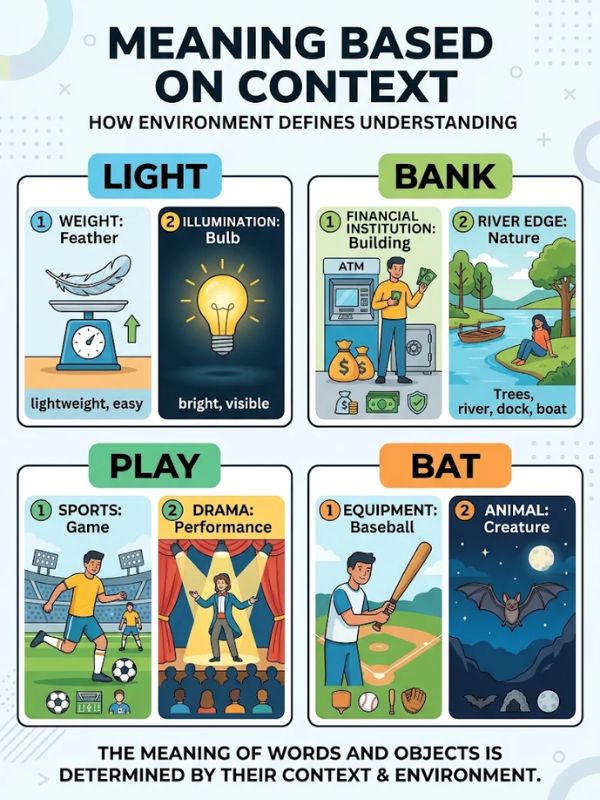
Context shapes the meaning more than anything else. The speaker, the relationship, and the topic all matter.
Positive Use
Positive use gives credit and shows trust. “Our restaurant guru found the best noodles in town.” The speaker feels grateful and impressed.
Neutral Use
Neutral use simply names a role or a tool. “Let me check Restaurant Guru for reviews.” There is no emotion attached.
Negative Or Critical Use
Critical use pokes at someone. “Thanks, restaurant guru, that place was closed.” The speaker wants to show a mistake without starting a fight.
Dry Or Rushed Use
Dry use appears in fast messages. “Restaurant guru says pasta.” The writer wants speed, not warmth.
How Restaurant Guru Is Used In Real Conversations
Real chats use the phrase in a few repeating patterns. The next sections show the most common ones.
Understanding Or Clarifying
Someone may ask, “Who is the restaurant guru here?” This question asks who has the best food knowledge. A reply like “Dan, he eats out every week” settles it fast.
Reacting Or Labeling
Friends often use the phrase as a quick reaction. After a great meal, someone may say, “Okay, restaurant guru, you nailed it.” It works as a compliment and a thank you.
Social Or Dating Context
On a date, the phrase may show interest. “You seem like a restaurant guru. Where should we go?” It invites the other person to share their taste. Keep it light, and avoid pressure.
Group Or Online Context
In group chats and forums, one member often becomes the guru. Others tag that person when plans start. This builds a small role in the group and keeps decisions moving.
Gaming Context (If Relevant)
Gaming rarely uses the phrase. Some players use it in restaurant management or cooking games. There it describes a player who masters the game, not a real food expert.
Restaurant Guru Meaning On Different Platforms
Each platform has its own style. The meaning stays the same, but the tone shifts.
| Platform | Typical Use | Tone |
| Snapchat | Quick food plans | Casual |
| TikTok | Food reviews and jokes | Playful |
| Captions and tags | Friendly | |
| Texting | Group planning | Neutral |
| Discord | Community food talk | Relaxed |
Restaurant Guru Meaning On Snapchat
On Snapchat, the phrase appears in short captions. A photo of a burger may say “restaurant guru approved.” It means the food earned a stamp of approval.
Restaurant Guru Meaning On TikTok
On TikTok, creators use it to describe themselves or a friend. A video might say “your local restaurant guru reviews this taco.” It signals experience and entertainment.
Restaurant Guru Meaning On Instagram
On Instagram, the phrase fits captions, bios, and comments. A food page may call itself a restaurant guru. Followers may comment it to praise a post.
Restaurant Guru Meaning In Texting Or Messaging
In plain messages, the phrase helps plan meals. “Where to, restaurant guru?” is a friendly way to ask for a suggestion. It keeps the mood warm.
Restaurant Guru Meaning On Discord Or Communities
In Discord servers and online communities, members may carry the title for fun. A food channel may even give the role to a helpful member. It marks respect inside the group.
When To Use Vs When To Avoid Restaurant Guru
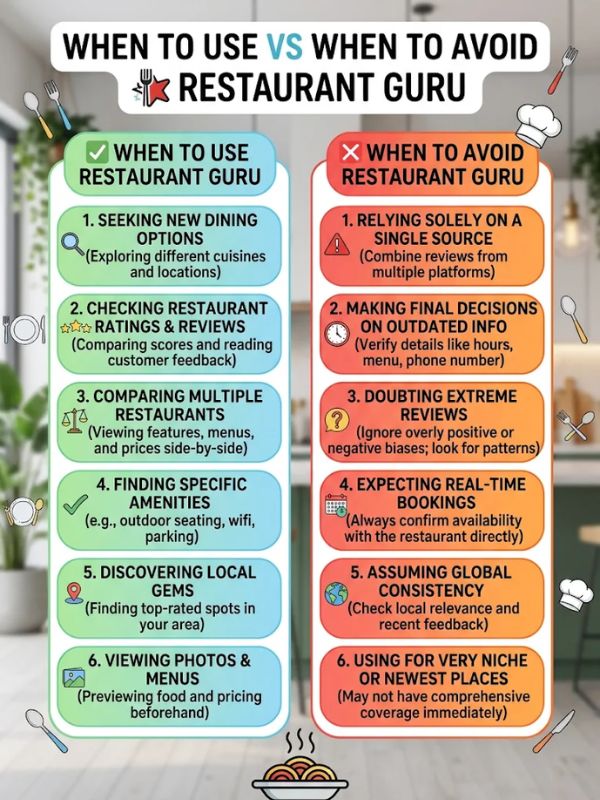
Use the phrase when the mood is friendly. Skip it when the setting is serious or when you do not know the person well.
When To Use
Use it in these situations:
- Praising a friend who picked a great place
- Asking a food expert for advice
- Sharing the Restaurant Guru app with a traveler
- Joking with people who know your style
When To Avoid
Avoid it in these situations:
- Formal emails and reports
- Messages to a new client
- Moments when someone is upset
- Situations where sarcasm may hurt
Sarcasm in text is easy to misread. If you doubt your tone, choose plain words.
Professional And Safe Alternatives
Some safer options work in every setting.
| Casual Phrase | Safer Alternative |
| Restaurant guru | Dining expert |
| Our restaurant guru | Our food specialist |
| Ask the guru | Ask someone who knows the area |
| Guru approved | Highly recommended |
Hidden Or Risky Meanings Of Restaurant Guru
The phrase has no hidden harmful meaning. It is not slang for anything unsafe or private. The only risk comes from tone.
Sarcasm is the biggest risk. A teasing label may feel like an insult to someone sensitive. Another risk is overuse, which can sound fake.
Be careful with links too. If a message says “Restaurant Guru” and includes an odd link, do not click right away. Use the official app or website instead.
Variations And Forms Of Restaurant Guru
The phrase appears in several forms. Each one keeps the same core meaning.
- Restaurant Guru with capitals usually means the platform.
- restaurant guru in lowercase usually means a person.
- Food guru is a wider term for any food expert.
- Dining guru sounds a little more polished.
- Foodie guru sounds more playful.
Writers also add endings like “approved” or “certified.” These add humor, and they never change the main idea.
Restaurant Guru Vs Similar Slang
Several nearby terms look alike but differ in tone. This table shows the main differences.
| Term | Meaning | Tone |
| Restaurant guru | Trusted food advisor | Friendly |
| Foodie | Person who loves food | Casual |
| Food critic | Professional reviewer | Formal |
| Gourmet | Lover of fine food | Refined |
| Local expert | Knows an area well | Neutral |
A foodie loves food. A guru gives guidance. A critic judges food for a living. Knowing these differences helps you choose the right word.
How To Decode The Correct Meaning
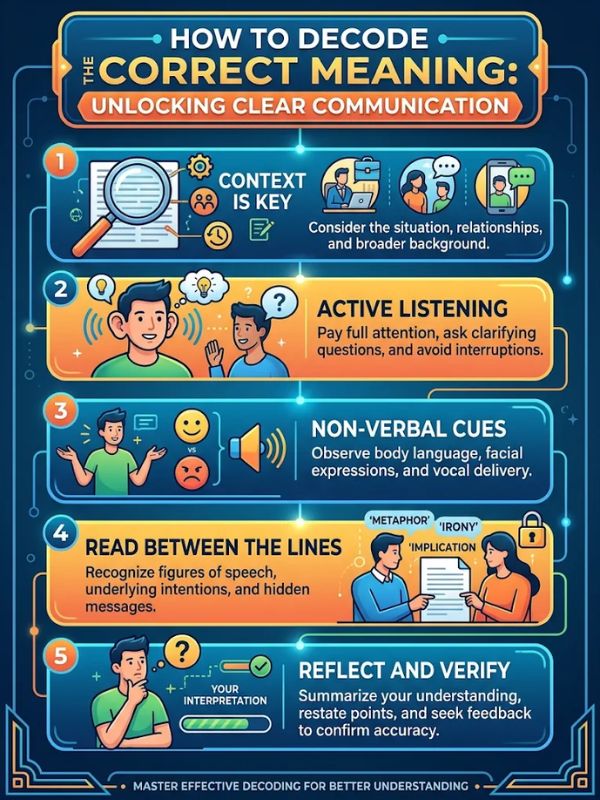
Decoding takes only a few steps. Follow this short process.
- Check the capital letters. Capitals suggest the platform.
- Look at the sentence. A person’s name nearby suggests a title.
- Read the tone. Emojis and punctuation reveal humor or sarcasm.
- Consider the relationship. Friends tease. Strangers rarely do.
- Ask if you still feel unsure.
This method works in nearly every case. It also keeps you from reacting too fast.
How To Respond To Restaurant Guru
Your reply depends on the tone you received. The next sections give simple options.
Casual Replies
- “Ha, always ready to help!”
- “Guilty. I do love a good menu.”
- “Give me ten minutes and I will pick.”
Friendly Replies
- “Thanks, that means a lot! Want me to book it?”
- “Happy to help. Any food you want to avoid?”
- “I know a great spot. You will love it.”
Mature Or Respectful Replies
- “Thank you. I am glad to share recommendations.”
- “I appreciate that. Let me know your budget and I will suggest a few places.”
Boundary Or Privacy Responses
Sometimes the phrase feels like pressure, or you do not want to share details. You can set a calm limit.
- “I would rather not pick tonight. Can someone else choose?”
- “I do not share my location, but I can suggest a general area.”
- “Please do not tag me in that post.”
Clear, polite words protect your comfort without causing a fight.
Common Misunderstandings About Restaurant Guru
Many people expect more from this phrase than it holds. Here are the main mix ups.
- It is a secret slang code. It is not. It is a plain phrase.
- It always means praise. It can also tease.
- It always names a person. It can name the platform.
- It refers only to professional critics. Anyone can earn the label.
- It is rude. Rudeness comes from tone, not from the words.
Keeping these points in mind prevents most confusion.
Regional And Cultural Usage Of Restaurant Guru
The phrase is easy to understand in English speaking countries. Travelers and expats use it often because they depend on local advice and reviews. In other regions, people may use the English phrase as a borrowed term, especially when they talk about the app. In close friend groups, a local word for “food expert” may work better. Food culture also shapes usage. In places where sharing meals matters, a restaurant guru may be a respected family or community role.
Frequently Asked Questions
Is Restaurant Guru Slang?
It is informal language, not a fixed slang term. People use it casually to describe a food expert or to name the Restaurant Guru platform.
Is Calling Someone A Restaurant Guru A Compliment?
Yes, most of the time. It praises their food knowledge, unless the tone is sarcastic.
Can Restaurant Guru Be Sarcastic?
Yes. A sharp tone or an eye roll emoji can turn it into a mild tease.
Does Restaurant Guru Mean Food Critic?
Not exactly. A guru gives friendly advice, while a food critic reviews food professionally.
What Does Restaurant Guru Mean On Social Media?
It usually labels a person who loves and knows food. It can also tag the Restaurant Guru platform in posts.
Is Restaurant Guru Safe To Use At Work?
Yes, in friendly team chats. In formal emails, choose “dining expert” or “food specialist” instead.
Does Restaurant Guru Always Refer To A Person?
No. It can also name the Restaurant Guru app and website used to find places to eat.
Final Thoughts
Restaurant guru is a simple phrase with two main meanings. It can describe a person who knows great places to eat. It can also name a well known platform that helps people find them. Tone and context decide everything else.
Use it with friends when you want to praise or joke. Choose clear alternatives in formal settings. When you receive it, read the tone first, then reply with kindness and confidence.


