
You see “MDNI” in a bio and wonder what it means. You are not alone. This short tag appears on Instagram, TikTok, Snapchat, Threads, and many other platforms. MDNI means “Minors Do Not Interact.” It asks users under 18 to stay away from a profile or post.
This 2026 guide explains the MDNI meaning in simple words. You will learn the definition, real examples, and how people use it in texting, social media, and dating. You will also see common mistakes and tips for using it the right way. Read on to understand this popular internet slang with ease.
Quick Answer / Quick Definition of “MDNI”
MDNI means “Minors Do Not Interact.” People add it to bios, posts, and pinned messages to ask users under 18 to stay away. That means no following, no liking, no commenting, and no messaging.
It is a personal request. It is not a law, and it is not a platform tool. The person who writes it is setting a boundary for their own space.
| Item | Answer |
| Full form | Minors Do Not Interact |
| Common variation | Minors DNI |
| Main purpose | Ask people under 18 to keep their distance |
| Where it appears | Bios, pinned posts, captions, link pages |
| Who enforces it | The account owner, through blocking |
| Is it official platform policy | No |
Detailed Meaning Breakdown
The term has one strong core meaning. A few weaker meanings exist, and some guesses online are simply wrong. This section separates them.
Primary Meaning
The primary meaning is Minors Do Not Interact. The “M” stands for minors. “DNI” stands for “do not interact.” A minor is a person under the legal age of adulthood.
In most places, that age is 18. Some regions set it at 19 or 21. People use MDNI to say, “My space is for adults.” The reason can be adult jokes, mature art, dark themes, or simple personal comfort.
Secondary Meanings
Some small communities read the “M” as “mutuals.” In that case, MDNI means “Mutuals Do Not Interact.” The account owner asks their mutual followers not to engage with each other, usually to avoid drama. This reading is rare. You will see it only in small circles, and the account owner usually explains it nearby.
Another soft meaning is “Mature audiences only, do not interact if you are not.” People rarely write this out. It is an informal way to describe the same idea as the primary meaning.
Rare or Misinterpreted Meanings
Many random websites claim MDNI is a business code, a software term, or a finance metric. I found no reliable source that backs those claims for everyday social media use. Treat them with caution.
People also mix it up with similar letters, such as MDI or MBTI. These are unrelated terms. If you see MDNI in a bio, the safest reading is “Minors Do Not Interact.” Check the rest of the profile for context before you assume anything else.
What “MDNI” Means in Different Contexts
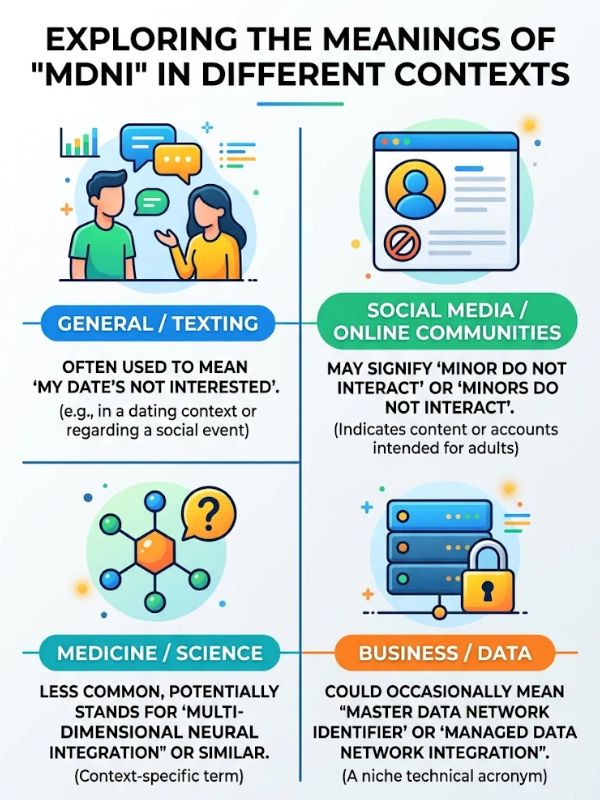
The meaning stays the same, but the setting changes how it feels. A bio tag feels different from a text message. Let us look at each place.
In Texting and Messaging
You will rarely see MDNI in a private text chat. Friends already know each other’s age. There is nothing to warn about. It can show up in group chats or community servers. For example, an admin may write “MDNI channel” to mark a room as adults only. In these cases, it works like a door sign. It tells people which room they are entering.
On Social Media Platforms
Social media is where MDNI lives. People use it in bios, pinned posts, and highlight titles. The platform changes the style, but the message stays the same.
| Platform | Typical placement | Common style |
| Bio, highlights | “Minors DNI” next to an age | |
| Snapchat | Public profile text | Short line in the description |
| TikTok | Bio, pinned video | “MDNI” with age or pronouns |
| Threads | Bio, pinned thread | “Minors do not interact” in plain words |
| X and Tumblr | Bio, post headers | “MDNI” and “18+” together |
On Instagram, MDNI usually sits in the bio. Creators who post mature jokes, adult themed art, or edgy opinions use it most. Instagram sets its own age rules and offers sensitive content settings. The bio tag does not replace those tools. It simply adds a personal request on top.
Snapchat
Snapchat profiles are short, so people keep it brief. You may see “MDNI” in a public profile description or in a story caption. Snapchat is more private by nature. Most users add friends they know, so the tag shows up less than on open platforms.
TikTok
TikTok users often place MDNI in the bio or on a pinned video. Creators with dark humor, adult commentary, or mature storytelling use it as a quick filter. The TikTok audience is huge and mixed. Because of that, the tag also appears in comment replies when someone feels a stranger crossed a line.
Threads
Threads grew out of the Instagram world. People bring their bio habits with them, including MDNI. On Threads, you may see the full phrase written out. Short text posts make longer wording feel natural.
In Dating and Relationships
Dating apps already require adult users. So MDNI is less needed there. When it shows up, it is usually on a profile that links to a social account.
Someone may write “MDNI” in a dating bio to stress that their social pages hold adult content. It acts as a reminder, not a rule. Think of it as extra clarity. It tells a match what kind of space they are stepping into.
In Professional Communication
MDNI does not belong in formal work settings. A resume, a business email, or a company page has no use for it.
Some freelancers, such as artists and writers, keep a public side and a private side. They may use MDNI on a personal account only. Their business page stays clean. If you work with clients, keep your work profile clear and neutral. Place the tag only where it fits.
Cultural or Regional Differences
Culture shapes how people read age labels. The word “minor” itself changes across countries. Local laws and local habits also change how people use the tag.
Among Younger Internet Users
Younger users know MDNI well, especially those active in fandoms, art spaces, and short video apps. They see it daily and read it as a normal part of profiles.
Many younger adults also use it for themselves. They want older teens out of their mature jokes or dark content. Some teens feel the tag is unfair. Others accept it and move on. Both views exist online.
Among Older Adults
Older adults often do not know the term. They may read it as random letters. Once explained, they usually understand the idea fast.
For older adults, the tag may look strange next to a profile photo. They are used to rules set by platforms, not by individuals. If you are a parent or teacher, MDNI is a helpful clue. It tells you a profile may hold adult material.
Across Different Online Communities
Fandom spaces use MDNI heavily. Fanfic writers, fan artists, and roleplay groups often post mature work and mark it clearly.
Gaming communities use it less, but you will still see it in adult servers. Art commission communities use it to set client rules. Every community has its own habits. A tag that feels normal in one group may feel odd in another.
Tone, Psychology & Why People Use It
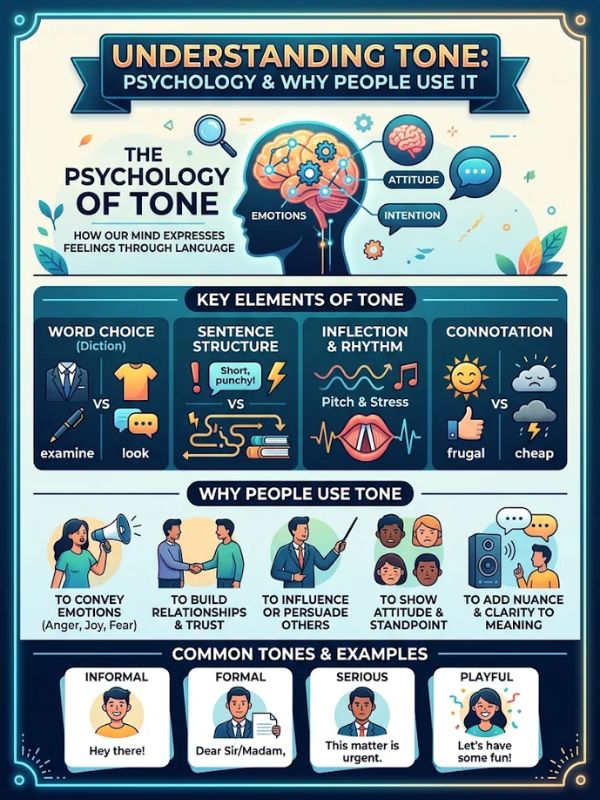
MDNI is a small phrase with big feelings behind it. It signals care, caution, and control. Let us look at why people use it.
Why People Use It & What It Signals Socially
People use MDNI to control who joins their space. It lets them say, “I made this for adults.” It also signals responsibility. Many creators say they want to avoid awkward chats with younger users. The tag shows they thought about it.
Here is what the tag often signals:
- The content may be mature, dark, or suggestive.
- The owner wants an adult audience.
- The owner may block younger users who engage.
- The owner takes boundaries seriously.
Emotional Layer Behind It
Behind the letters sits a mix of feelings. Some people feel protective of younger users. Others feel nervous about legal trouble or platform reports.
Some simply want a relaxed space where they do not need to filter every joke. The tag lowers that stress. For young readers, the tag can sting. It may feel like a closed door. It helps to remember that it is about content, not about your worth.
10 Real Conversation Examples (Explained)
These examples show how MDNI appears in real life. Each one has a short explanation.
1. Profile Bio
Example: “Writer | Coffee lover | 25 | MDNI”
Explanation: The person lists their age and adds MDNI. Together, they tell visitors the account is for adults. This is the most common use.
2. Before Following
Example: “Please read my bio before you follow. MDNI.”
Explanation: The owner asks new people to check the rules first. It prevents follow requests from people who will later get blocked.
3. In a Pinned Post
Example: “Pinned: Rules for this page. MDNI. Be kind. No spam.”
Explanation: The pinned post collects page rules in one place. MDNI sits next to normal community rules such as kindness and spam control.
4. Direct Message
Example: “Hey, I saw you are 16. My page is MDNI, so I need to end this chat.”
Explanation: An adult politely ends a chat after learning the other person is under 18. This is a respectful use of the tag.
5. Community Introduction
Example: “Hi all! I am new here. 27, loves horror books. MDNI, so I keep my posts adult.”
Explanation: A new member introduces themselves and explains their limits. Others know what to expect from their posts.
6. Content Warning
Example: “Content warning: dark themes. MDNI.”
Explanation: The warning appears above a mature post. It tells readers to leave if they are under 18 or do not want that content.
7. Comment Reply
Example: “Please check the bio. This account is MDNI.”
Explanation: The owner replies to a comment from a user who ignored the label. The tone is calm and direct, and it often comes before a block.
8. Artist Commission Page
Example: “Commissions open for adults only. MDNI. Proof of age may be required.”
Explanation: An artist sets client rules. Adult themed art needs clear age limits, and the tag makes that rule obvious at the start.
9. Roleplay Account
Example: “Mature roleplay blog. MDNI. 18+ only.”
Explanation: Roleplay groups often explore darker stories. The tag and the age line together make the space easy to read.
10. Friend Recommendation
Example: “I love her art, but her page is MDNI, so check her bio first.”
Explanation: A friend passes along a useful warning. This shows how the tag helps people guide each other.
Where Misunderstandings Happen
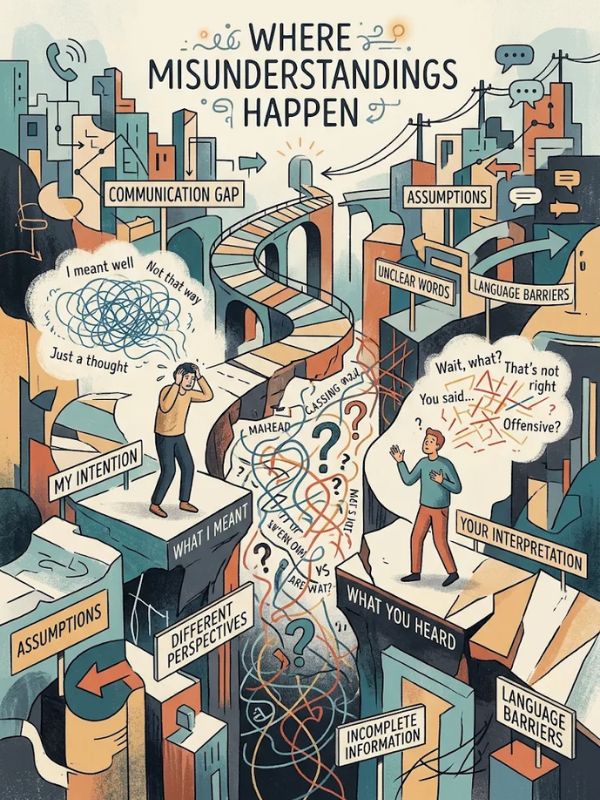
MDNI looks simple, but it still causes confusion. Most problems come from missing context, different age groups, or platform habits.
Context Confusion
Some people read MDNI as a technical code. They search for a business or software meaning and find nothing useful. Others read it as “Mature Do Not Interact” or as an insult. Neither reading matches how people actually use it. When unsure, look at the bio. If you see an age, a content note, or “18+,” the meaning is clear.
Generational Gap
Older adults may not know the term. They may feel confused or even offended when they see it near a profile. Younger users may assume everyone knows it. Then they get annoyed when someone ignores it. A quick explanation fixes most of these problems. A polite question works better than a guess.
Platform Differences
Each platform has its own style. TikTok users may use it in a bio. Tumblr users may use it in a post header. Some platforms offer real age tools, such as sensitive content controls. The tag does not control access. It is only a request. This matters for safety. Do not assume the tag keeps a minor out. Platform settings and parent controls do that job better.
Similar Words, Symbols, or Abbreviations
Many abbreviations live near MDNI. They look alike but do different jobs.
| Term | Meaning | How it differs |
| DNI | Do Not Interact | Broader. The group is named after it, such as “minors DNI” |
| MDNI | Minors Do Not Interact | Specific to age |
| 18+ | Adults only | States the age line without a request |
| NSFW | Not Safe For Work | Warns about explicit or mature content |
| BYF | Block, Then Move On style phrases | Informal block warnings, usage varies |
| Mutuals DNI | Mutuals Do Not Interact | Asks followers to avoid each other |
A note on the BYF row: this label is not standard, so skip it unless you have seen it in context. The reliable terms are DNI, MDNI, 18+, NSFW, and Mutuals DNI.
When Not to Use “MDNI”
MDNI is useful in the right place. In the wrong place, it can cause problems.
Professional Risks
Do not use MDNI in a job profile, a resume, a company page, or a client email. It hints at mature content, and that can raise questions. Recruiters may see it and draw the wrong conclusion. Keep work pages neutral.
If you need a personal account for adult topics, keep it separate from your work identity. Use a different name and photo where possible.
Cultural Risks
Not every culture treats age and adult content the same way. A tag that feels normal in one country can feel rude in another. Also, the age of adulthood changes by region. “Minor” may mean under 18 in one place and under 21 in another. If your audience is global, add a simple age line such as “18+ only.” That gives clearer guidance.
Tone Risks
Wording matters. “MDNI” alone can sound cold. A short explanation can make it feel friendlier.
Compare these two lines:
- “MDNI. Block if you are under 18.”
- “My page has adult content, so I keep it for adults. Thank you for understanding.”
The second line gets the same result with a kinder tone. Aim for clear and calm, not harsh.
Expert Tips for Using “MDNI” Correctly
These tips help you use the tag in a clear, respectful way.
- Pair it with an age line. “MDNI” plus “18+ only” removes doubt.
- Place it where people look. Use the bio and a pinned post.
- Explain once. A short note helps readers who do not know the term.
- Use platform tools too. Turn on age limits and sensitive content labels where available. The tag alone does not keep anyone out.
- Be calm when enforcing it. Block without drama. Do not argue or shame.
- Do not chat with people who say they are minors. If someone shares they are under 18, end the chat politely.
If you are under 18 and see the tag, respect it. Click away and enjoy content made for your age group. If a conversation ever makes you uncomfortable, tell a trusted adult.
Frequently Asked Questions
Is MDNI a warning or a rule?
It is both a warning and a personal rule. It warns that content may be mature and asks minors to stay away. It is not an official platform rule.
Is MDNI only used for adult content?
No. Most people use it for mature content, but some use it for dark topics, strong language, or personal comfort.
Is MDNI considered rude?
Not by itself. It can feel cold if the wording is harsh. A polite tone makes it easier to accept.
Can minors still view an MDNI profile?
Often yes, if the profile is public. The tag is only a request. It does not block access, so platform controls matter more.
What’s the difference between MDNI and DNI?
DNI means “Do Not Interact” and can name any group. MDNI is specific to minors, so it only covers age.
Why do artists and writers use MDNI so often?
Their work may include mature themes or adult art. The tag helps them set a clear limit before people follow or message them.
How should I respond if I see MDNI in someone’s profile?
If you are under 18, do not interact and move on. If you are an adult, you can follow, but respect the other rules in their bio.
Final Thoughts
MDNI means “Minors Do Not Interact.” It is a short, clear way to say that a profile or post is meant for adults. People use it to protect younger users, set boundaries, and keep their space comfortable.
The tag works best when readers respect it and creators use it kindly. It does not replace platform safety tools or parental guidance. Used well, it keeps online spaces clear, calm, and suited to the people in them.