
Have you seen “Tralalero Tralala” trending online and wondered what it means? This funny phrase has taken over TikTok, Instagram, and group chats in 2026. It sounds strange, but it has become a huge part of internet slang. People use it to react to silly videos, express a carefree mood, or joke with friends.
This guide explains the real meaning of Tralalero Tralala in simple words. You will learn where it came from, how people use it today, and why it spread so fast online. By the end, you will fully understand this viral slang term and know exactly how to use it yourself.
Tralalero Tralala – Quick Meaning
Simple definition
Tralalero Tralala is an internet slang phrase that does not have a literal dictionary meaning. It started as a nonsense sound, similar to “la la la” or “doo doo doo.” People now use it to express humor, silliness, or a carefree mood online.
In short, Tralalero Tralala means “something funny, absurd, or not meant to be taken seriously.” It is part of a wider trend of internet nonsense phrases that spread fast because they sound catchy and strange at the same time.
Example uses
Here are quick examples of how people use the phrase today:
- “That video was pure Tralalero Tralala energy.”
- “Stop being so serious, this is a Tralalero Tralala moment.”
- “My brain is in Tralalero Tralala mode right now.”
Each example shows the same idea. The phrase points to something goofy, random, or lighthearted rather than something with a clear or serious meaning.
Origin & Background
Early musical roots
The word “tralala” is not new. Similar sounds have existed in folk songs for a very long time. Singers often used filler sounds like “tra la la” when a tune needed extra rhythm but no real words. This gave songs a playful, sing along feel.
These sounds worked as vocal fillers. They filled gaps in melodies and made songs easier to remember. Children’s rhymes and old folk tunes across Europe used similar sounds for the same reason.
European cultural influence
Italy played a big part in shaping the modern version of this phrase. Old Italian folk songs used variations of “tralla” and “tralla lero” as playful refrains. These refrains added rhythm and humor to music long before the internet existed.
Over the decades, this style of playful sound spread into other parts of European pop culture. Comedy sketches, cartoons, and novelty songs picked up similar patterns. This cultural base helped set the stage for what would later explode online.
Internet evolution
The digital version of Tralalero Tralala took off in early 2025. A short AI generated video appeared online showing a strange shark character wearing sneakers. The video used a robotic Italian style voice chanting the phrase in a funny, exaggerated way.
The clip spread fast across TikTok and other apps. People found the mix of nonsense sound and absurd visuals extremely shareable. This trend became part of what many call “brainrot” content, a style of humor built on chaotic, meaningless, but addictive internet media.
By 2026, Tralalero Tralala moved beyond just one video. It became a general slang term people use whenever something feels random, silly, or over the top.
Real-Life Conversations
Seeing the phrase used in real chats helps make the meaning clear. Here are examples across different platforms.
WhatsApp Chat
Friend 1: Bro did you see that shark video again Friend 2: Yes lol full Tralalero Tralala mode Friend 1: I cannot stop watching it Friend 2: Same, my brain is fried
Instagram DM
User A: why is everyone saying this word now User B: it’s just a funny internet sound, means nothing serious User A: ok that makes sense, it’s giving Tralalero Tralala vibes User B: exactly lol
TikTok Comments
- “This whole video is Tralalero Tralala and I love it”
- “Why does this make no sense but I can’t stop laughing”
- “Tralalero Tralala culture is unmatched”
Text Message
- Text 1: how was your day
- Text 2: chaotic, full Tralalero Tralala energy tbh
- Text 1: lol say less
These examples show the phrase fits almost any casual setting. People use it to describe confusion, silliness, or shared internet humor.
Emotional & Psychological Meaning
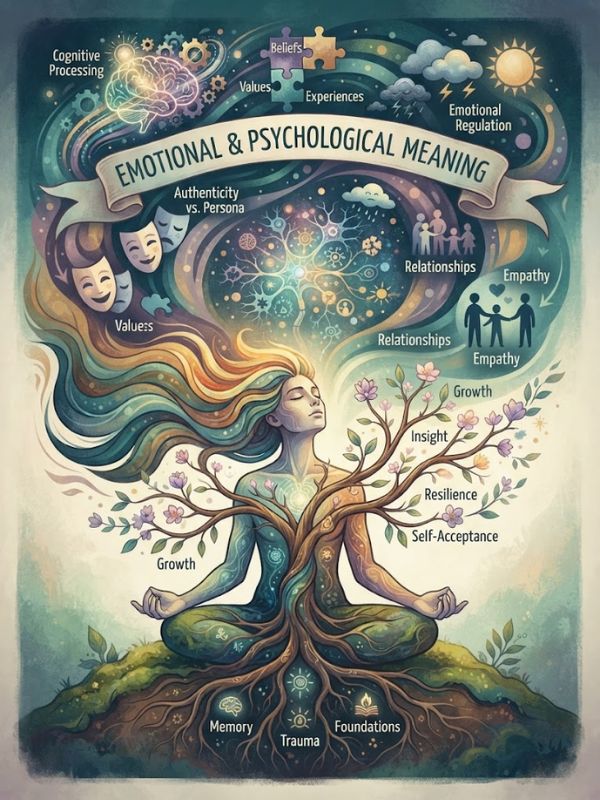
Slang phrases like this one do more than just sound funny. They often carry emotional weight, even if the words themselves mean nothing literal.
1. Carefree attitude
Using Tralalero Tralala often signals that someone does not want to overthink a situation. It shows a relaxed, easygoing mindset. Instead of explaining feelings in detail, the phrase lets people brush things off with humor.
2. Gentle sarcasm
Sometimes people use the phrase to poke fun at overly serious situations. It works as a soft way to say “this is not that deep” without sounding rude. This kind of gentle sarcasm keeps conversations light.
3. Social bonding
Shared slang creates a sense of belonging. When a group of friends uses the same internet phrase, it builds an inside joke feeling. Tralalero Tralala works well for this because almost everyone online has seen the trend.
4. Playful rebellion
Nonsense phrases like this also give people a small break from serious, structured language. Using silly words is a mild form of playful rebellion against formal communication. It shows personality and humor instead of following strict rules of speech.
Usage in Different Contexts
Slang meaning can shift depending on where it appears. Here is how Tralalero Tralala fits into different everyday spaces.
Social Media
On platforms like TikTok, Instagram, and X, the phrase usually appears in captions, comments, or trending audio. It often accompanies chaotic or funny content. Creators use it to label videos that feel random or absurd on purpose.
Friends & Relationships
Among friends, the phrase works as a light joke or a way to describe a fun, silly moment. It rarely carries deep meaning here. Instead, it adds humor to daily conversations and texts.
Work or Professional Settings
This phrase does not fit well in formal work environments. It stays casual and internet based, so most professionals avoid using it in emails, meetings, or official documents. It works better in informal chats between coworkers who share the same internet humor.
Casual vs Serious Tone
In casual settings, the phrase adds fun and lightness. In serious settings, it can seem out of place or confusing. Knowing your audience matters a lot here. Save it for friends, group chats, or casual social posts.
Common Misunderstandings
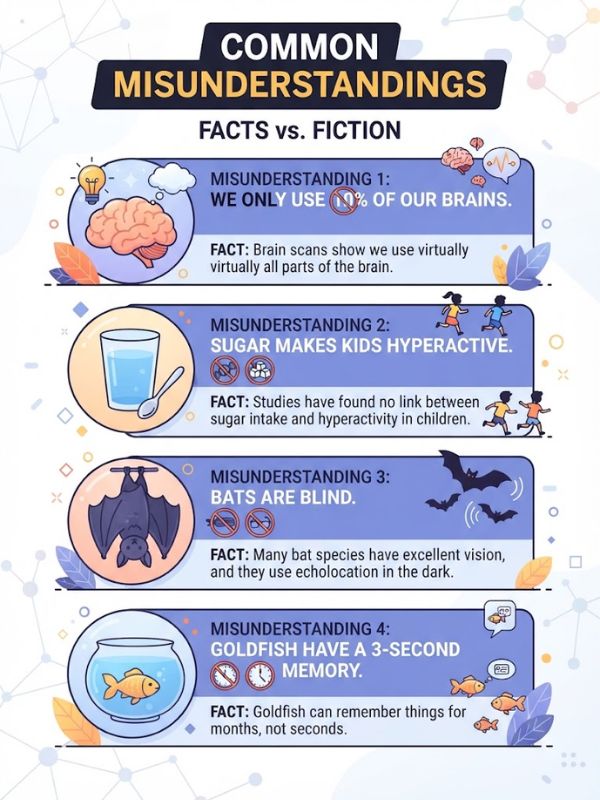
Many people misread slang phrases like this one. Here are the most common mistakes.
Misunderstanding 1: It has a deep literal meaning
Some people search for a hidden translation behind Tralalero Tralala. In reality, the phrase started as a nonsense sound. It does not carry a fixed literal meaning in Italian or any other language.
Misunderstanding 2: It’s an insult
Some assume the phrase mocks someone directly. Most of the time, it does not target a specific person. It usually describes a mood, a video, or a general vibe rather than insulting someone.
Misunderstanding 3: It’s from one specific language
While the sound has Italian musical roots, the internet version belongs to no single language today. Global creators from many countries use it the same way, making it a shared internet term rather than a strict cultural phrase.
Situations where it shouldn’t be used
- Formal emails or business reports
- Serious personal conversations, such as discussing grief or hardship
- Professional presentations
- Situations involving respect for elders or authority figures in formal settings
Using the phrase in these situations can seem disrespectful or confusing, even if that was not the intention.
Comparison Table
| Term | Meaning | Common Use | Tone |
| Tralalero Tralala | Silly, absurd internet vibe | Reacting to funny or chaotic content | Playful |
| Tra la la | Simple filler sound, less meme based | Humming or singing casually | Light |
| Skibidi | Chaotic, meme driven nonsense | Describing random internet trends | Absurd |
| Rizz | Charm or charisma | Describing flirting skill | Confident |
| Sus | Suspicious behavior | Calling out odd actions | Alert |
Key Insight
Tralalero Tralala stands out because it blends musical history with modern internet chaos. Unlike many slang terms that come from a single viral clip, this phrase connects old folk sounds with new AI generated meme culture. That mix makes it feel both nostalgic and completely new at the same time.
Variations and Similar Expressions
Several related phrases share a similar playful spirit. Here is a quick look at each one.
1. Tra-la-la
A simpler, older version of the sound. People use it while humming or joking about something not worth overthinking.
2. La-la-la
A universal filler sound used across cultures. It often signals ignoring a topic or humming through a song.
3. Tralala mood
Describes a light, carefree state of mind. People say this when they want to avoid stress or overthinking.
4. Tra-la vibe
A shortened form used mostly in captions. It suggests a relaxed, easygoing atmosphere.
5. Singing tralala
Refers to humming without real lyrics, often used jokingly during awkward silences.
6. Drama tralala
Used sarcastically when someone reacts to unnecessary drama. It signals “this is too much” in a funny way.
7. Happy tralala
Expresses pure joy or excitement, similar to skipping while humming a tune.
8. Meme tralala
Refers directly to meme culture, often tied to viral shark videos or AI generated clips.
9. Tralala moment
Describes a specific instance of randomness or humor, similar to saying “this is a moment.”
10. Sarcastic tralala
Used when mocking seriousness. It softens criticism with humor instead of sounding harsh.
How to Respond When Someone Uses It
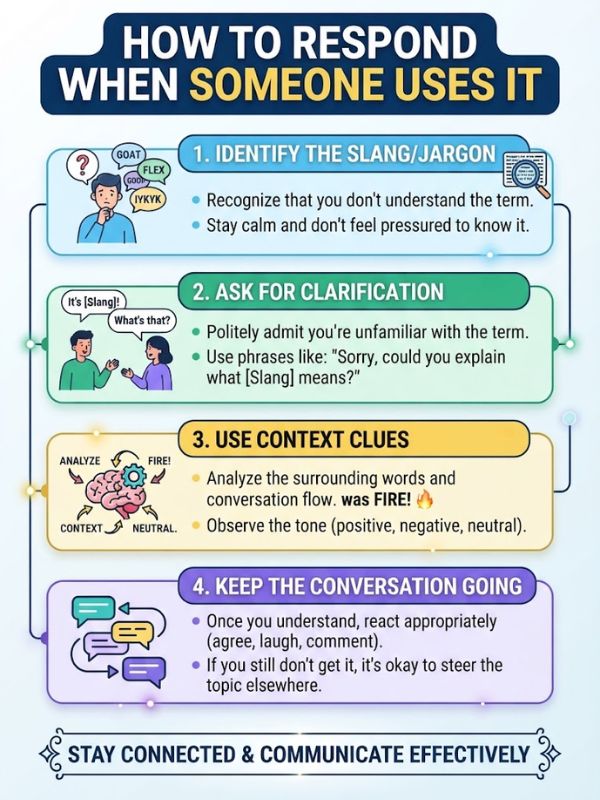
Knowing how to reply keeps conversations flowing naturally. Here are response styles based on tone.
Casual Replies
- “Haha true, total Tralalero Tralala moment.”
- “Lol same energy here.”
- “This whole day feels like that.”
Funny Replies
- “My brain left the chat, full Tralalero Tralala mode.”
- “Send help, I’m stuck in Tralalero Tralala land.”
- “This is peak internet chaos and I love it.”
Mature or Confident Replies
- “Ha, fair enough, though I’ll keep this one serious.”
- “I get the humor, but let’s stay on topic for now.”
- “Funny trend, though not really my thing.”
Private or Respectful Replies
- “I understand the joke, though I prefer simpler words here.”
- “That’s a fun trend, though it might not fit this chat.”
- “I’ll pass on that one, but I get why it’s funny.”
Choosing the right response depends on your relationship with the other person and the setting of the conversation.
Regional & Cultural Usage
Slang trends often shift slightly depending on region. Here is how Tralalero Tralala shows up around the world.
Western Culture
In the United States, United Kingdom, and other English speaking countries, the phrase mostly appears in meme culture. Younger users, especially Gen Z and Gen Alpha, use it heavily in comments and captions.
Asian Culture
In many parts of Asia, the phrase spread through TikTok and short video apps. Creators often mix it with local slang, creating unique blends of humor that combine local jokes with the global meme trend.
Middle Eastern Culture
In Middle Eastern online spaces, the phrase became popular mainly through reaction videos and comment sections. Some versions of the original meme audio caused controversy due to certain religious references, so usage in this region often avoids the full original audio and focuses instead on the general silly meaning.
Global Internet Usage
Overall, the phrase works as a shared global joke. It crosses language barriers because it relies on sound and rhythm rather than direct translation. This makes it one of the more universal internet slang terms of its time.
Frequently Asked Questions
What does Tralalero Tralala mean in slang?
It means something silly, absurd, or lighthearted. It has no literal meaning and mainly expresses humor or a carefree mood online.
Where did Tralalero Tralala come from?
It came from an AI generated video posted on TikTok in early 2025, featuring a sneaker wearing shark character with a chanting voice.
Is Tralalero Tralala an insult?
No, it usually does not insult anyone directly. It describes a funny or chaotic vibe rather than targeting a specific person.
Can I use Tralalero Tralala at work?
It is best to avoid it in formal work settings. It fits casual chats, social media, and friendly conversations much better.
Does Tralalero Tralala mean something in Italian?
No, it does not carry a literal meaning in Italian. It works as a nonsense sound, similar to old folk song fillers like “tra la la.”
Why did Tralalero Tralala become so popular?
It combines a catchy sound with an absurd visual character, making it extremely shareable across TikTok, Instagram, and other platforms.
Is Tralalero Tralala still trending in 2026?
Yes, the phrase remains popular as a general slang term for silliness, even as newer memes continue to build on its style and humor.
Final Thoughts
Tralalero Tralala shows how internet culture can turn a simple, meaningless sound into a global slang trend. It blends old musical traditions with modern meme creativity, proving that humor often travels faster than logic. Whether used in a text message or a TikTok caption, the phrase captures a shared sense of playful chaos that many people enjoy today.
As internet trends keep evolving, phrases like this one remind us that language does not always need a strict definition to hold meaning. Sometimes, a catchy sound and a funny character are enough to bring people together, spark laughter, and create a small piece of shared culture across the world.