

Texting is full of short forms. One popular term is WTV. You may have seen it in a chat, a comment, or a DM. It looks confusing at first. But it has a simple meaning once you understand it.
This guide explains WTV in easy words. You will learn what it means and how people use it. You will also see real examples from texts and social media. By the end, you will know exactly how to use and reply to WTV.
What Does WTV Mean in Text?
WTV is a short form of the word “whatever.” People use it to save time while typing. It is common in casual chats, social media, and texting apps.
Simple Definition
WTV means “whatever” in text language. It shows that a person does not have a strong opinion. It can also show mild disinterest or agreement without much thought.
Featured Snippet Answer: WTV stands for “whatever.” It is used in texting to express indifference, agreement, or a casual response to something.
Example 1
Friend: Do you want pizza or burgers tonight? You: WTV, both sound good.
Here, WTV shows you do not have a strong preference. You are fine with either choice.
Example 2
Friend: I might be late by 20 minutes. You: WTV, take your time.
In this case, WTV shows you are not bothered by the delay. It carries a relaxed and easygoing tone.
Why People Use WTV
People use WTV because typing full words takes time. Texting is fast paced, so short forms help keep the flow going. WTV is also useful when someone wants to sound casual instead of formal.
Some reasons people use WTV include:
- To save time while typing
- To show they do not have a strong opinion
- To sound relaxed and casual
- To avoid long explanations
- To match the tone of a fast moving chat
WTV fits naturally into text conversations because it feels light and simple.
Background and History of WTV
Text slang grew fast with the rise of mobile phones. In the early 2000s, phones had limited keypads. Typing a full sentence took a long time. People began shortening common words and phrases to save effort. “Whatever” was already a popular word in spoken English. It carried a laid back, sometimes dismissive tone.
When texting became common, users shortened it to WTV. This short form spread through instant messaging apps, then moved to social media platforms. Today, WTV is part of everyday internet language. It is used across chat apps, comment sections, and gaming platforms. Its meaning has stayed mostly the same since it first appeared, showing indifference or casual agreement.
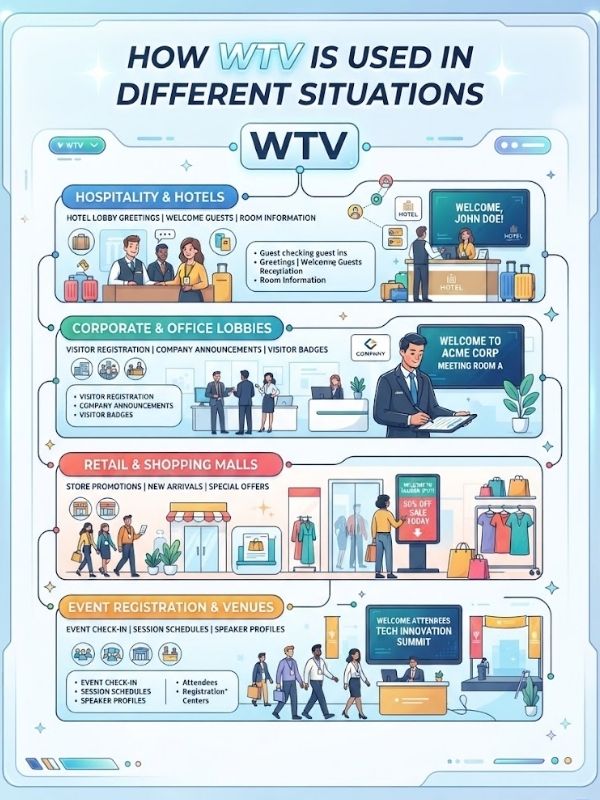
How WTV Is Used in Different Situations
WTV appears in many places online. Its meaning can shift slightly depending on where it is used. Below is a breakdown of common platforms and situations.
WTV in Text Messages
In text messages, WTV usually means the person is fine with any option. It can also show mild frustration if the topic feels unimportant. The tone often depends on the conversation before it.
Example: Person A: Should we watch a movie or go out? Person B: WTV, you decide.
WTV on Snapchat
On Snapchat, WTV is often used in quick replies to snaps or chats. Since Snapchat conversations move fast, short forms like WTV help keep pace. It usually reflects a chill, no pressure attitude.
WTV on Instagram
On Instagram, people use WTV in comments or DMs. It might respond to a poll, a question sticker, or a casual comment. It often shows the user does not want to overthink their answer.
WTV on TikTok
TikTok comments often use WTV to react to videos in a laid back way. It shows a viewer’s calm or unbothered opinion about the content. Some use it playfully, almost like a joke.
WTV in Gaming
Gamers use WTV during matches or chats to show flexibility. If a teammate asks about strategy or map choice, WTV means the player is open to any decision. It keeps communication quick during fast paced games.
WTV Among Friends
Between close friends, WTV often carries emotional shortcuts. It might mean “I trust your choice” or “I don’t want to argue about this.” Friends usually understand the tone based on their relationship and past chats.
Common Misconceptions About WTV
Many people misunderstand WTV. Because it is short, its tone can be unclear without context. Here are some common misconceptions.
Misconception 1
WTV always means someone is angry. This is not true. WTV can be neutral or relaxed. It only sounds angry if paired with a short or blunt sentence.
Misconception 2
WTV is rude in every situation. WTV is not rude by default. It depends on tone, timing, and relationship. Between friends, it usually feels casual and friendly.
Misconception 3
WTV means the same as WTF. These are different terms. WTV means “whatever,” while WTF means “what the… (an expression of shock).” They are not interchangeable.
Misconception 4
WTV is only for arguments. WTV is used in many peaceful conversations too. It often shows agreement, flexibility, or simple indifference, not conflict.
What Does WTV Mean From a Girl
When a girl uses WTV, it usually reflects her comfort level with the topic. It can mean she trusts your judgment, or she may not have a strong opinion at that moment. In some cases, if the conversation felt tense before, WTV might hint at slight annoyance. Context and previous messages help clarify the real meaning.
WTV Meaning in Text From a Guy
When a guy uses WTV, it often signals a relaxed or neutral stance. It may mean he agrees with any option you choose. Some guys use it to avoid conflict or to keep the chat light. As with anyone, tone depends on the flow of the conversation.

| Situation | What WTV Likely Means |
| Casual chat | He is relaxed and open to any option |
| After you ask his opinion | He trusts your choice |
| During a light disagreement | He wants to drop the topic calmly |
| Short, cold reply | He may feel slightly annoyed |
| Playful conversation | He is joking or being laid back |
What Does WTV Mean Snapchat
On Snapchat, WTV keeps the same core meaning as elsewhere. It usually means “whatever” in a quick, casual tone. Since Snapchat conversations are fast and informal, WTV fits naturally into everyday chats between friends.
What Does WTB Mean in Text
- Shows a person is looking to purchase a specific item
- Often used in buy/sell/trade groups and gaming marketplaces
- Different from WTV, since it expresses intent to buy, not indifference
| Term | Meaning | Common Use |
| WTB | Want to buy | Marketplace and trading posts |
| WTS | Want to sell | Selling items online |
| WTT | Want to trade | Swapping items with others |
What Does WTVR Mean in Text
WTVR is another short form of “whatever.” It follows the same pattern by removing vowels to shorten the word. WTVR carries the same casual and indifferent tone as WTV, just with a slightly different spelling.
Similar Terms and Alternatives
There are many short forms similar to WTV. Each has its own tone and use case. The table below shows some common alternatives.
| Term | Meaning | Common Use |
| WTV | Whatever | Casual agreement or indifference |
| WTVR | Whatever | Same meaning as WTV |
| IDC | I don’t care | Stronger indifference |
| NVM | Never mind | Dropping a topic |
| SMH | Shaking my head | Disapproval or disbelief |
| K | Okay | Short agreement |
| FR | For real | Emphasis or agreement |
Which One Should You Use?
Choose your term based on tone and relationship. WTV feels light and casual. IDC feels stronger and can sound blunt. NVM works when dropping a topic completely. Pick the term that matches how you want to sound.
How to Respond to WTV
Replying to WTV depends on your relationship with the sender and the context of the chat. Below are different response styles you can use.
Casual Response
“Okay, cool.” “Sounds good to me.”
Funny Response
“WTV yourself, lol.” “Someone woke up unbothered today.”
Professional Style
In professional settings, avoid slang entirely. Instead, write full responses such as: “That works for me as well.” “I am fine with either option.”
Privacy Conscious Response
If you feel unsure about someone’s tone, ask directly. “Are you okay with this, or would you prefer something else?”
Friendly Response
“Haha okay, let’s go with that.” “WTV works, let’s do it.”
Regional and Cultural Differences
WTV is mostly used in English speaking countries, including the United States, the United Kingdom, Canada, and Australia. Its meaning stays fairly consistent across these regions. In some cultures, expressing indifference casually is common and accepted. In others, people may prefer more polite or detailed responses, even in casual chats.

Younger generations use WTV more often than older users, since text slang is more common among teens and young adults. Cultural context also shapes tone. In fast paced, informal cultures, WTV feels normal and light. In cultures that value detailed communication, WTV might feel too short or dismissive.
WTV Compared With Similar Expressions
WTV is often compared with these expressions:
- Whatever (full word): Formal version, sounds more direct
- Idc: Stronger indifference
- Meh: Shows lack of enthusiasm
- Sure: Shows agreement without indifference
- Fine: Can sound more neutral or slightly annoyed
WTV usually feels lighter than these alternatives. It fits smoothly into everyday texting without sounding too strong.
WTV on Social Media, Dating Apps, and Online Communities
WTV appears across many platforms with slightly different vibes.
Tinder
On Tinder, WTV might show a relaxed attitude toward plans. For example, replying WTV to “Should we meet at a cafe or park?” shows openness to either option.
Twitter or X
On Twitter or X, WTV often appears in replies to trending topics. It shows a laid back reaction to news or opinions shared by others.
Discord
In Discord servers, WTV is common during group chats or gaming sessions. It helps keep fast conversations moving without long replies.
On Reddit, WTV sometimes appears in comment threads. It reflects a casual, unbothered reaction to a post or discussion.
TikTok
As mentioned earlier, TikTok comments often use WTV to react quickly to videos, especially light hearted or funny content.
Tips for Responding
- Match the tone of the sender
- Avoid overthinking short replies
- Ask for clarity if the tone feels unclear
- Use full sentences in professional chats instead
Does WTV Have Hidden or Offensive Meanings?
WTV does not have offensive meanings by default. It simply means “whatever” in most contexts. However, tone matters. If paired with cold or blunt language, it may sound dismissive. It is important to read the full message, not just the abbreviation. Context always shapes meaning more than the short form itself.
Is WTV Appropriate for Professional Communication?
WTV is not appropriate for professional communication. Workplace emails and messages should stay clear and respectful. Slang like WTV can seem unprofessional or dismissive in formal settings.
Instead of WTV, use:
- “That works for me.”
- “I am fine with either option.”
- “Please choose whichever suits the team best.”
These alternatives keep your tone professional while still showing flexibility.
Frequently Asked Questions
What does WTV mean in a text message?
WTV means “whatever.” It shows indifference, agreement, or a casual response in texting.
Is WTV rude to say?
WTV is not rude by default. Its tone depends on context and the relationship between the people texting.
What is the difference between WTV and WTF?
WTV means “whatever,” while WTF expresses shock or surprise. They have completely different meanings.
Can WTV be used in professional emails?
No, WTV should not be used in professional communication. Use full sentences instead to maintain a respectful tone.
What does WTV mean on Snapchat?
On Snapchat, WTV carries the same meaning as elsewhere. It means “whatever,” used in a light, casual way.
Does WTV always mean someone is upset?
No, WTV does not always mean someone is upset. It often shows a relaxed or neutral response, not anger.
What does WTVR mean compared to WTV?
WTVR is simply another short form of “whatever.” Both WTV and WTVR carry the same meaning.
Final Thoughts
WTV is a simple but useful term in modern texting. It stands for “whatever” and helps people communicate quickly without sounding overly formal. Its meaning shifts slightly depending on tone, platform, and relationship, but it usually reflects a relaxed or indifferent attitude.
Understanding WTV helps you read digital conversations more clearly. Whether you see it from a friend, a match on a dating app, or in a gaming chat, you now know exactly what it means and how to respond. Use it wisely, read the context, and adjust your tone based on where you are chatting.