

You get a text that says “I’m good, hbu?” and you pause for a second. What does those three letters mean? HBU stands for “how about you?” It is a quick texting abbreviation that people use to return a question after they answer it.
This guide explains the HBU meaning in text in simple words. You will learn why people say it, how it sounds in different chats, and how to reply. By the end, you will understand the question behind the reply and use it with confidence.
HBU Meaning in Text The Question Behind the Reply
HBU is a casual abbreviation made from the first letters of “how about you.” You usually type it right after you answer a question. It tells the other person that you want to hear their answer too.
Think of it as a small bridge. You answer first, then you pass the conversation back. The question you are returning depends on what came before it. HBU means “how about you?” It is a short way to ask someone the same question they just asked you.
HBU at a Glance
| Detail | Explanation |
| Full form | How about you / How ’bout you |
| Type | Texting abbreviation, chat slang |
| Main use | Returning a question politely |
| Tone | Friendly, casual, relaxed |
| Common places | Text messages, DMs, group chats, gaming chat |
| Spelling | HBU, hbu, Hbu (all mean the same) |
How HBU Works in a Conversation
HBU never stands alone in a fresh chat. It depends on the message before it. Without that earlier question, the three letters have nothing to attach to.
Here is a simple example.
- Sam: How was your day?
- Ria: Pretty good, just tired. HBU?
Ria answers Sam’s question first. Then she asks Sam the same thing. Sam now knows it is his turn to talk.
Why Do People Say HBU?
People say HBU because it is fast, polite, and natural. It saves typing time. It also shows interest in the other person without sounding stiff.
Texting grew from short messages. Early phones made typing slow, and many plans charged per message. People shortened phrases to save effort. Today the habit stays because it feels easy and friendly.
It Saves Time and Effort
Typing “how about you” takes a few seconds. Typing “hbu” takes one. When you chat all day, those small savings add up. HBU also fits the rhythm of fast chats. Replies feel quick and light. Nobody has to wait for a long message.
It Shows You Care About the Other Person
A conversation feels one sided when only one person talks. HBU fixes that. It says, “I answered, and now I want to hear from you.” That small signal builds comfort. People feel included when you ask about them. It is a simple habit that makes chats warmer.
It Keeps the Chat Moving
Many text chats end because nobody asks a question. HBU gives the other person an easy opening. They can reply in a few words and keep the talk going. For that reason, many people use HBU as a gentle conversation starter after small talk. It works well when the topic is simple, like mood, plans, or food.
HBU After Different Questions
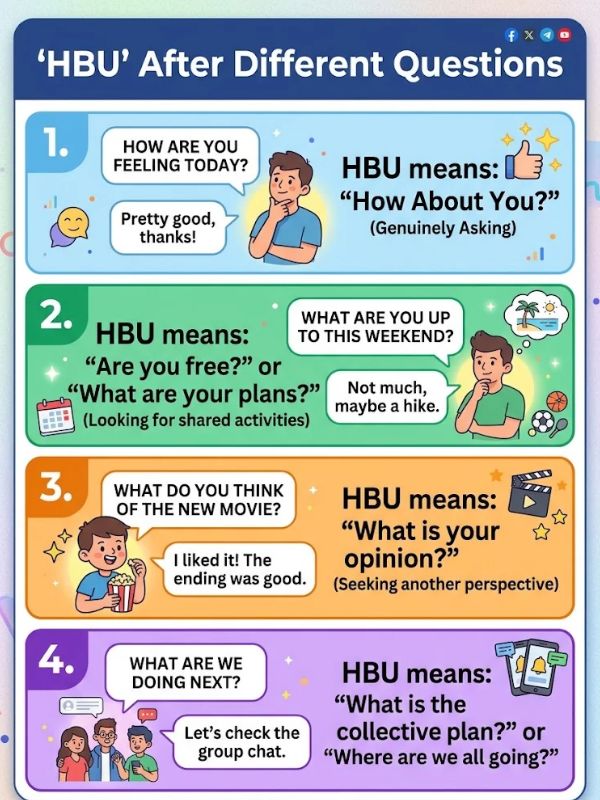
The meaning of HBU changes slightly with the question before it. The words stay the same, but the thing you ask about shifts. Context tells you what the person wants to know.
| Question you received | Reply with HBU | What you are really asking |
| How are you? | I’m good, hbu? | How are you feeling? |
| What are you doing? | Watching a movie, hbu? | What are you doing right now? |
| What did you eat? | Pizza, hbu? | What did you eat? |
| Any plans this weekend? | Nothing much, hbu? | What are your weekend plans? |
| Do you like this song? | Love it, hbu? | Do you like it too? |
| How was school or work? | Long day, hbu? | How was your day? |
HBU After “How Are You?”
This is the most common pairing. Someone asks about your mood, you answer, and you return the question. The exchange is polite and quick.
Example: “Doing okay, thanks. HBU?” The other person then shares how they feel.
HBU After “What Are You Doing?”
When someone asks what you are up to, HBU asks about their current activity. It works best when both of you are free and chatting casually.
Example: “Just cooking dinner. hbu?” The reply often names a simple activity.
HBU After Opinion Questions
HBU also works for tastes and opinions. If someone asks what music you like, you can answer and say hbu. It asks for their view in return.
Example: “I like pop music, hbu?” This invites the other person to share a favorite style.
HBU in Different Texting Situations
HBU is flexible. You can use it in many chats, but the feeling changes slightly with the person and the setting. Pay attention to who you talk to.
With Close Friends
Friends use HBU all the time. It feels natural and relaxed. Most friends type it in lowercase and skip punctuation.
Example: “nm just chilling hbu” is a normal friend message.
With Family
Family members use HBU too, especially younger relatives. Parents who learn texting habits from their kids often pick it up quickly. It sounds warm and simple in family chats. Keep it clear for older relatives who may not know the abbreviation. If someone looks confused, write out “how about you” instead.
In Group Chats
In a group chat, HBU can point to one person or to everyone. Adding a name helps avoid confusion.
- “I’m free Friday. HBU Jake?”
- “I’m in for pizza, hbu guys?”
A name keeps the question clear and gets a faster answer.
With Coworkers
Casual workplaces often allow HBU in chat tools. Quick messages between teammates sound friendly with it. Still, think about your audience. With a manager or client, write the full phrase. Full words sound more careful and respectful.
After a Long Silence
If you have not talked for a while, HBU helps restart the conversation. You answer the other person’s check in, then ask about their life.
Example: “Been busy with work lately. hbu? Haven’t heard from you in ages.” This feels kind and open.
Does HBU Sound Friendly or Flirty?
HBU sounds friendly in most cases. It is a neutral question with no hidden romantic meaning. The tone comes from the words and the person around it. HBU is usually friendly, not flirty. It becomes flirty only when the surrounding message, emojis, or relationship make the tone playful or romantic.
Signs HBU Is Just Friendly
- The chat is about daily topics like food, school, or work.
- The message has no emojis or only simple ones.
- The two people are friends, family, or classmates.
- The reply is short and relaxed.
Signs HBU May Feel Flirty
- The message includes winking or heart emojis.
- The question follows a compliment or playful comment.
- The two people already show romantic interest.
- The punctuation feels soft or teasing, such as “hbu 😏”.
Tone changes meaning in text because you cannot hear a voice. So look at the whole message, not only the three letters. When unsure, treat HBU as a simple friendly question.
HBU vs HYD vs WBU
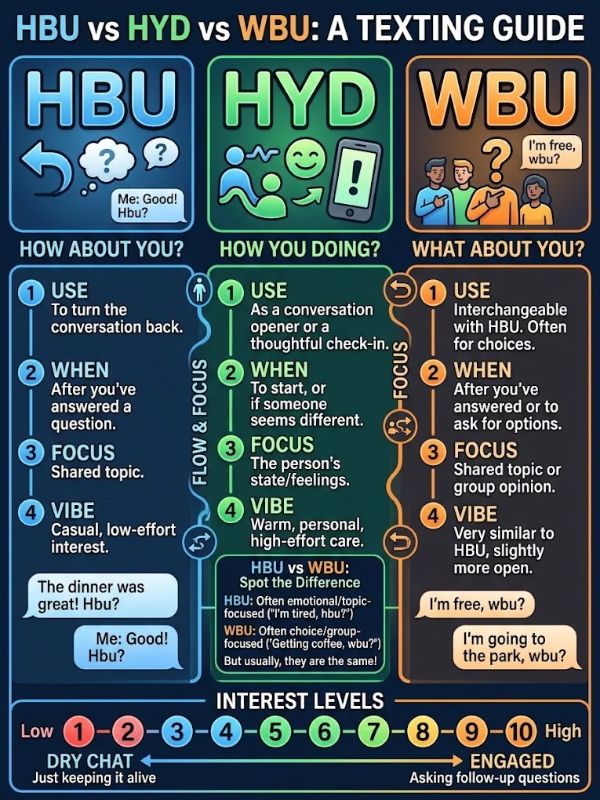
These three abbreviations look alike, but they ask different things. Mixing them up can create small confusion. The table below makes the difference clear.
| Abbreviation | Full form | What it asks | Example |
| HBU | How about you | Returns the same question | “I’m good, hbu?” |
| WBU | What about you | Almost the same as HBU | “I’m good, wbu?” |
| HYD | How you doing | Asks about someone’s state | “Hey, hyd?” |
| HRU | How are you | Asks about wellbeing | “Hru today?” |
HBU and WBU
HBU and WBU mean nearly the same thing. “How about you” and “what about you” both return a question. Most people use them as swaps and feel no real difference. The choice comes down to habit. Some people prefer one form, and some regions favor one more than the other.
HBU and HYD
HYD starts a conversation, while HBU responds inside one. You can send “hyd?” as a first message. You would not send “hbu?” first, because nothing came before it. That is the clearest way to remember the difference. HYD opens a chat. HBU returns a question in the middle of one.
Which One Should You Use?
- Use HYD to say hello and ask about someone.
- Use HBU after you answer a question.
- Use WBU when you want a small change of wording.
All three are casual. None of them suit formal emails or business letters.
How to Reply to HBU
Replying to HBU is easy. You answer the question you originally asked, just as if the other person had typed it in full. The goal is to give a clear, friendly response.
To reply to HBU, answer the same question the person just answered. Keep it short, share a little detail, and ask a new question if you want to continue.
Simple Steps to Reply
- Read the message that came before HBU.
- Find the original question you asked.
- Answer it in one or two short sentences.
- Add a detail or a new question if you want to keep talking.
Short Replies
Short replies suit quick chats. They feel natural and easy.
- “Doing great, thanks!”
- “Not much, just relaxing.”
- “Pretty tired, but okay.”
- “Watching a show right now.”
Longer Replies
Longer replies work when you want to share more. They show interest and help the other person respond.
- “I’m doing well. Work was busy, but I’m happy it’s the weekend. How was your day?”
- “I’m making dinner and listening to music. What are you up to?”
When You Do Not Want to Share
You are free to give a light answer. You do not have to give details. A simple reply is polite and enough.
- “All good, thanks.”
- “Same as usual.”
- “Busy, but fine.”
You can also steer the chat to another topic, like “Same old. Did you watch that game?” That keeps things easy without forcing you to open up.
Is HBU Formal or Informal?
HBU is informal. It belongs in casual chats with friends, family, and peers. Formal writing needs full words and complete sentences. HBU is an informal texting abbreviation. Use it in relaxed chats, and avoid it in business emails, job applications, and official messages.
Where HBU Fits
- Text messages with friends
- Social media chats and DMs
- Gaming chats and group chats
- Casual messages with relaxed coworkers
Where to Avoid HBU
- Job applications and cover letters
- Business emails to clients
- School essays and reports
- Messages to teachers or managers you do not know well
If you are unsure, write “How about you?” It costs a few extra seconds and always sounds polite. Clear writing protects you from sounding careless.
HBU in Social Media and DMs
HBU is very common in direct messages. Social apps move fast, and people prefer short replies. HBU fits that style well. You will see it on many platforms. The meaning stays the same everywhere, but the style changes a little with each app.
Instagram DMs
On Instagram, people often send HBU in casual chats between friends or followers. Replies tend to be short and may include emojis.
Example: “I’m good 😊 hbu?”
Snapchat
Snapchat chats are quick and playful. HBU appears often in chat bubbles and snaps with captions. Most people write it in lowercase.
Example: “just got home hbu”
WhatsApp and Messenger
These apps mix personal and family chats. HBU is common among friends, but older users may prefer full words. Pick your style by the person you talk to.
TikTok and Comment Sections
HBU sometimes shows up in comments, where someone shares an opinion and asks others to join in. It encourages replies and conversation.
Example: “I love this song. hbu guys?”
Gaming Chat
Gamers use short phrases to save time during matches. HBU can ask a teammate about their plan or opinion. It stays brief and practical.
HBU in Dating and Flirty Conversations
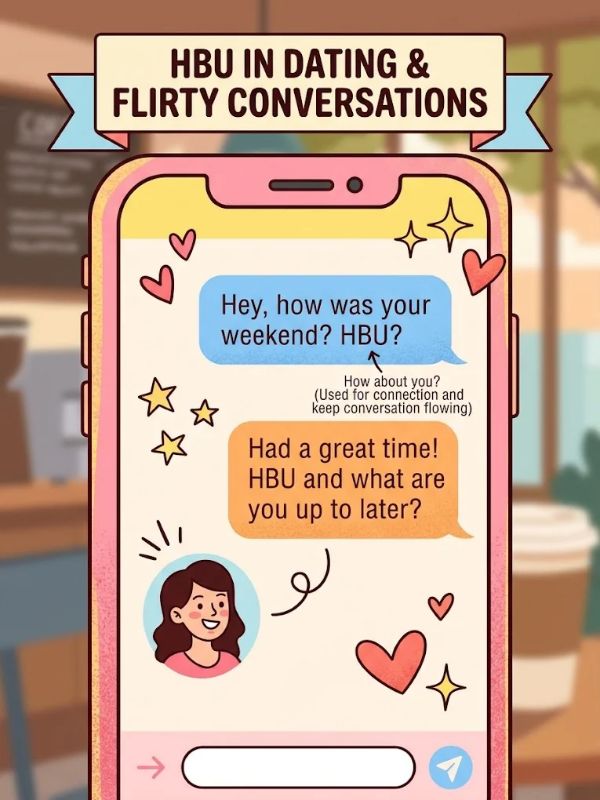
On dating apps, HBU helps keep chats balanced. Two people trade questions and answers. Using HBU shows that you care about the other person’s side. It is a good ice breaker for early messages. It feels light and gives the other person room to talk.
Using HBU on Dating Apps
Early chats often cover simple topics like hobbies, jobs, and weekend plans. HBU keeps those exchanges smooth.
- “I love hiking on weekends. hbu?”
- “I’m a big fan of spicy food. hbu?”
These messages are friendly and open. They invite a natural answer.
Keeping the Tone Right
Do not rely on HBU alone. Messages that only say “hbu” can feel lazy or boring. Add a small detail about yourself so the other person has something to respond to.
Compare these two messages.
- Weak: “good hbu”
- Better: “Good, just finished a long walk. How about you?”
The second message is warmer and gives your chat partner something to talk about. In dating chats, effort shows. A thoughtful reply builds interest faster than a short abbreviation.
Light Flirting With HBU
You can add a playful tone with a smile or a short joke. Keep it kind and respectful. Pay attention to how the other person responds, and match their comfort level.
- “Having a great evening so far. hbu? 😊”
- “Better now that we’re chatting. hbu?”
Stay natural. Forced flirting often feels awkward.
Examples of HBU in Real Texts
Examples make the meaning easier to remember. These short chats show how people use HBU in everyday messages.
Example 1: Daily Check In
- Anna: Hey, how’s your day going?
- Leo: Pretty good! Just finished class. hbu?
- Anna: Same here, just heading home.
Example 2: Making Plans
- Mark: I’m free on Saturday. hbu?
- Zoya: I’m free after 3 PM.
- Mark: Perfect, let’s meet then.
Example 3: Food Chat
- Dina: I’m craving pasta tonight. hbu?
- Omar: I’m thinking burgers.
- Dina: Good choice too!
Example 4: Group Chat
- Sara: I’m watching the match tonight. hbu Ali?
- Ali: Same! Who are you rooting for?
Example 5: After a Long Gap
- Ben: Hey stranger! I’ve been busy with work. hbu?
- Maya: Life has been busy too, but I’m doing well.
Example 6: Late Night Chat
- Hina: Can’t sleep. hbu?
- Zain: Same, just scrolling my phone.
- Hina: Want to talk for a bit?
Each example follows the same pattern. One person answers, then asks back with HBU. The other person replies naturally and the chat continues.
Common Mistakes With HBU
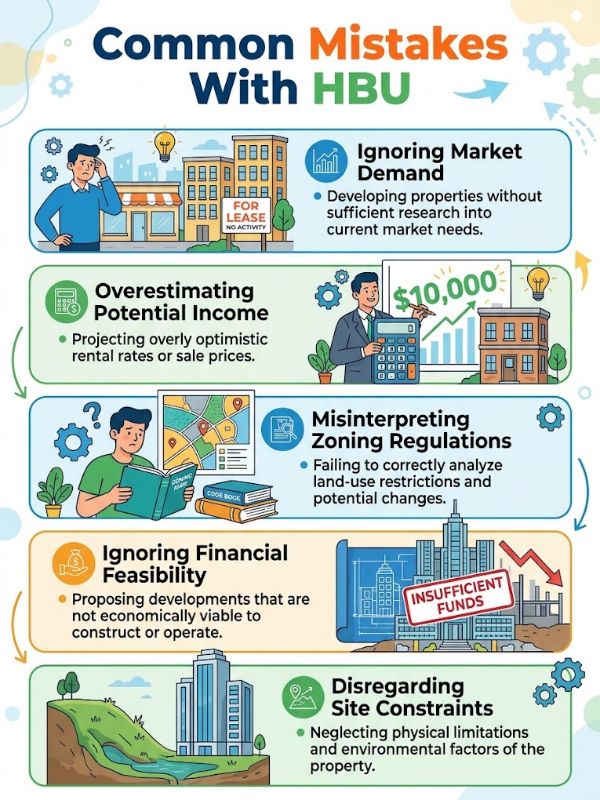
HBU is simple, but people still make small errors. Avoiding them helps your messages sound clear and kind.
- Using it as a first message. HBU needs a question before it. Starting with “hbu?” confuses people.
- Sending only “hbu” with no answer. Answer first, then ask. A bare “hbu” feels abrupt.
- Using it in formal writing. Emails to bosses or clients need full words.
- Skipping the name in group chats. Without a name, nobody knows who should answer.
- Overusing it. If every message ends with HBU, the chat feels like a script.
- Ignoring the reply. Asking and then not reading the answer feels rude.
- Confusing it with other meanings. Context matters, especially outside texting.
A small habit helps here. Before you send HBU, check that your own answer is in the message. Then the question feels fair and complete.
Other Meanings of HBU
In texting, HBU almost always means “how about you.” Outside texting, the same letters can point to other things. Context tells you which meaning applies.
| Meaning | Where it appears | Notes |
| How about you | Texts, DMs, chats | The most common meaning by far |
| How ’bout you | Casual chats | A spelling variant of the same phrase |
| Houston Baptist University | Education and news | Now called Houston Christian University |
Houston Baptist University
HBU was long the short name for Houston Baptist University in Texas. The school was renamed Houston Christian University in 2022, so you may still see the old name in older articles and sports pages. If the letters appear in a school or sports setting, this is likely the meaning.
Why Context Matters
A text from a friend that says “good, hbu?” is clearly the casual phrase. A news article about a college is clearly about the school. The setting makes the meaning plain. If you are ever unsure, ask the sender directly.
Similar Texting Abbreviations
HBU belongs to a family of short chat phrases. Learning a few related terms helps you follow conversations more easily. Many of them ask about someone’s day, plans, or mood.
| Abbreviation | Full form | Meaning in chat |
| WBU | What about you | Returns a question, like HBU |
| HYD | How you doing | Asks how someone is |
| HRU | How are you | Asks about wellbeing |
| WYD | What are you doing | Asks about current activity |
| NMU | Not much, you | Answers and returns the question |
| NM | Not much | Says nothing special is happening |
| HMU | Hit me up | Asks someone to contact you |
Phrases That Often Appear With HBU
You will often see HBU beside short answers like “nm,” “good,” “tired,” or “busy.” These pair well because they are quick and relaxed.
- “nm hbu”
- “tired but good, hbu”
- “busy day, hbu”
Learning these small phrases makes digital chats feel easier. They also help you reply at the same speed as your friends. When you meet a new abbreviation, check the sentence around it first. Most of the time, the surrounding words explain the meaning.
Frequently Asked Questions
What does HBU mean in text?
HBU means “how about you?” People use it to ask the same question back after answering.
Is HBU the same as WBU?
Yes, they mean almost the same thing. HBU says “how about you” and WBU says “what about you.”
Can I use HBU in a work email?
It is better to avoid it. Write “how about you” in professional messages to sound polite.
How do I reply when someone says HBU?
Answer the question they just answered, in a short and friendly way. You can add a detail or ask a new question.
Does HBU mean someone is flirting with me?
Not usually. HBU is a friendly question, and only the surrounding tone or emojis make it flirty.
Can I send HBU as the first message?
No. HBU needs an earlier question to make sense, so start with “hey” or “hyd” instead.
Does capitalization change the meaning of HBU?
No. HBU, hbu, and Hbu all mean “how about you,” and lowercase just feels more casual.
Conclusion
HBU is a small abbreviation with a clear job. It means “how about you” and helps you return a question in a quick, friendly way. It keeps chats balanced and shows you care about the other person.
Use it in casual texts, DMs, and group chats, and write the full phrase in formal settings. Answer first, add a little detail, and watch the tone of the conversation. With these simple habits, you will use HBU with confidence and keep your chats warm and easy.